Non-dispersive infrared gas sensors provide stable and selective measurement across industrial safety, HVAC, refrigerant leak detection, environmental monitoring and biogas applications.
As OEMs develop smaller, lower-power, and increasingly connected gas detection equipment, NDIR gas sensor technology offers several integration advantages. It can measure gases including carbon dioxide, methane and other hydrocarbons, refrigerants, and nitrous oxide without consuming the target gas.
This guide explains how NDIR gas sensors work, their principal advantages and limitations, and why OEMs integrate them into modern gas detection systems.
What Is NDIR Gas Sensing Technology?
NDIR gas sensing technology measures gas concentration by analysing infrared absorption. Different gases absorb infrared energy within characteristic wavelength bands.
An optical filter isolates the wavelength associated with the target gas. The sensor then measures how much infrared energy is absorbed as light passes through the sample.
The detector measures the change in signal strength. The sensor electronics use this information to calculate the gas concentration.
NDIR measurement uses a physical optical principle rather than a consumptive chemical reaction. This supports stable performance over an extended operating life.
How an NDIR Gas Sensor Works
An NDIR gas sensor typically performs the measurement in 5 stages.
- Infrared Source: A miniature emitter produces infrared energy and directs it through the sensor’s optical chamber.
- Gas Sampling Chamber: The target gas enters the optical path through diffusion or a controlled sample flow, depending on the sensor and instrument design.
- Optical Filter: The filter isolates the wavelength band associated with the gas being measured. Appropriate filter selection helps the sensor distinguish the target gas from other substances within the sample.
- Infrared Detector: The detector measures the infrared energy transmitted through the gas. Many NDIR designs use an active measurement channel together with a reference channel that is not affected by the target gas.
- Signal Processing: Integrated electronics compare the active and reference signals and convert the measurement into a gas concentration reading. Temperature compensation and calibration data can also be applied to improve measurement accuracy under changing conditions.
Why OEMs Choose NDIR Gas Sensors
Accurate and Stable Measurement
NDIR sensors use infrared absorption rather than a chemical reaction. This supports repeatable measurements and long-term stability in continuous gas detection applications. Measurement performance still depends on factors including calibration, temperature, pressure, humidity, optical path design, and the presence of potentially interfering gases.
Long Operating Life
The sensing process does not consume an electrolyte or reactive element. As a result, NDIR sensors can provide a long service life when operated within their specified environmental and measurement limits. Actual sensor life depends on the application, duty cycle, environmental conditions, and exposure to contaminants.
Selective Gas Detection
Optical filters allow the sensor to target specific infrared absorption bands. This provides good selectivity for gases such as CO₂, methane, hydrocarbons, refrigerants, and N₂O. Absorption bands can overlap, so the gas mixture and potential cross-interferences should always be reviewed when selecting an NDIR sensor.
Reduced Maintenance Requirements
The non-consumptive measurement principle can reduce routine sensor replacement and maintenance compared with technologies that depend on chemical reactions. Calibration requirements vary according to the sensor, application, regulatory requirements, and required measurement accuracy.
Resistance to Sensor Poisoning
NDIR sensors are not poisoned in the same way as catalytic bead sensors because measurement does not depend on a reactive catalyst. However, they are not immune to all environmental effects. Condensation, dust, optical contamination, and corrosive gases can still affect performance if the sensor is not appropriately protected.
Low-Power Options
Modern NDIR gas sensors are available in low-power configurations suitable for portable instruments, battery-operated equipment, and connected IoT devices. OEMs should consider power consumption together with response time, measurement frequency, environmental conditions, and condensation risk when selecting a sensor.
Flexible Measurement Ranges
Depending on the target gas and sensor configuration, NDIR technology can support measurement from low ppm concentrations to percentage-volume ranges. This flexibility allows OEMs to use the technology in applications ranging from leak detection and air-quality monitoring to high-concentration process measurement.
Where Are NDIR Sensors Used?
Industrial NDIR gas sensors are used across a broad range of applications, including:
- Fixed industrial gas detection systems
- Portable and wearable gas monitoring equipment
- HVAC and indoor air quality monitoring
- Refrigerant leak detection
- Biogas and landfill gas analysis
- Oil and gas safety systems
- Environmental and emissions monitoring
- Automotive and engine testing
- Medical and life-science equipment
- OEM process monitoring instruments
Choose the sensor according to the target gas, measurement range and response time. Also consider the operating environment, available power and certification requirements.
NDIR Compared with Other Gas-Sensing Technologies
| Technology | Key advantages | Important considerations |
| NDIR | Stable, selective, non-consumptive, long operating life, resistant to catalytic poisoning | Condensation, dust, optical contamination and corrosive gases can affect performance. Suitable environmental protection may be required. |
| Electrochemical | Low power, compact, suitable for oxygen and many toxic gases | Limited operational life and possible sensitivity to environmental conditions or interfering gases. |
| Catalytic bead | Proven measurement of many combustible gases | Requires oxygen and may consume more power. Contaminants can poison or inhibit the sensor. |
| MOS | Compact, cost-effective, and sensitive to a broad range of gases | Cross-sensitivity, drift and power use must be considered. |
No single technology suits every gas or application. Consider the target gas, required performance and operating environment. Maintenance needs and system design are also important.
NDIR Sensor Applications in Real Systems
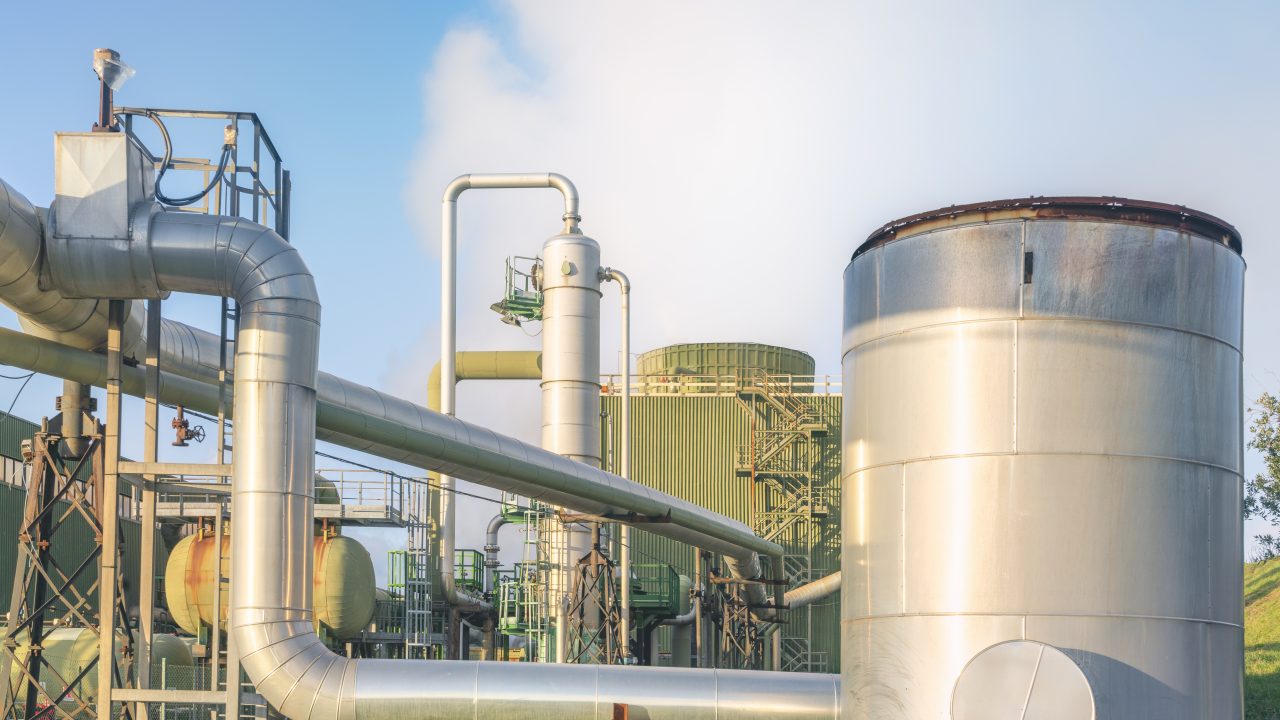
In biogas facilities, NDIR sensors can measure methane and CO₂ to support process monitoring, gas quality control, and operational safety.
Dual-gas NDIR sensors measure both gases within one compact module. This can reduce component count and simplify OEM integration.
Low-power methane and CO₂ sensors suit portable monitors, HVAC equipment and environmental instruments. They are particularly useful where space and available power are limited.
Why OEMs Choose Dynament NDIR Sensors
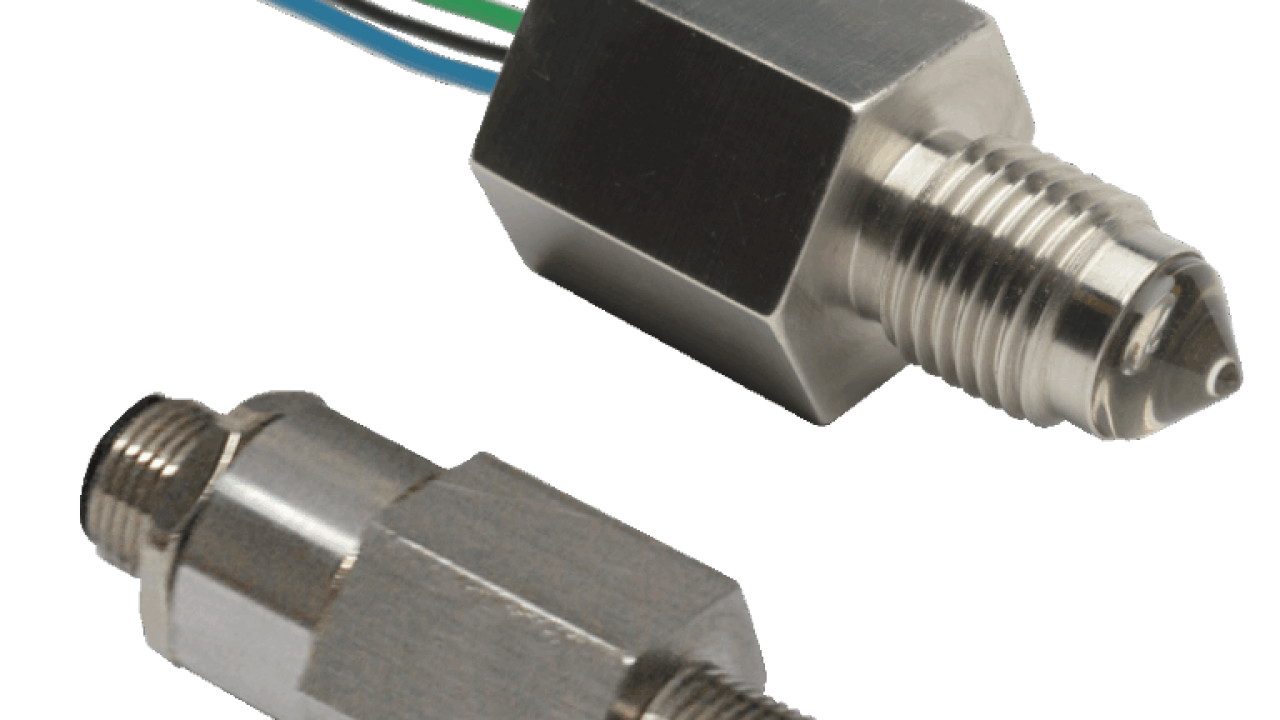
Dynament develops NDIR gas sensors for integration into fixed, portable, and OEM gas detection equipment.
Dynament NDIR capabilities include:
- Accurate and responsive gas measurement
- Low-power options for portable and battery-operated equipment
- Dual-gas measurement, including methane and CO₂
- Sensors and housings available with hazardous-area certifications
- Compact configurations for OEM integration
- Measurement options for hydrocarbons, CO₂, refrigerants, and N₂O
- Stable performance with low maintenance requirements
Sensor specifications and available certifications vary by model. OEMs should select the appropriate version according to the target gas, operating environment, required approvals, and system design.
Frequently Asked Questions
What is an NDIR gas sensor?
A non-dispersive infrared gas sensor measures concentration by detecting infrared absorption at a wavelength associated with the target gas. Its electronics convert the measured absorption into a gas concentration reading.
Which gases can NDIR sensors measure?
NDIR sensors can measure infrared-active gases such as carbon dioxide, methane, hydrocarbons, refrigerants and nitrous oxide. Sensor selection depends on the target gas, expected concentration and sample composition.
Why do OEMs use NDIR gas sensors?
NDIR sensors provide selective gas measurement without consuming the target gas. Compact, dual-gas and low-power versions support integration into fixed detectors, portable instruments and HVAC equipment.
What should engineers consider when selecting an NDIR sensor?
Engineers should consider the target gas, measurement range, response time and power consumption. Temperature, humidity, pressure, condensation risk and certification requirements must also be assessed.
Conclusion
NDIR gas sensor technology provides a reliable measurement method for infrared-active gases across industrial, HVAC, environmental, refrigeration, and process applications.
NDIR sensors provide selective, non-consumptive measurement with long-term stability. Low-power and compact configurations also support OEM integration.
Engineers must still consider cross-interference, condensation, optical contamination and calibration requirements when designing the complete system.
Contact the Dynament team for support selecting and integrating an NDIR sensor into your gas detection system.
View the complete Dynament NDIR sensor range.