Gas sensors installed in refrigeration equipment, freezers, industrial systems, and other environments with changing temperatures may be exposed to high humidity and condensation. If moisture reaches the optical surfaces of an NDIR sensor, it can interfere with infrared transmission and affect measurement performance.
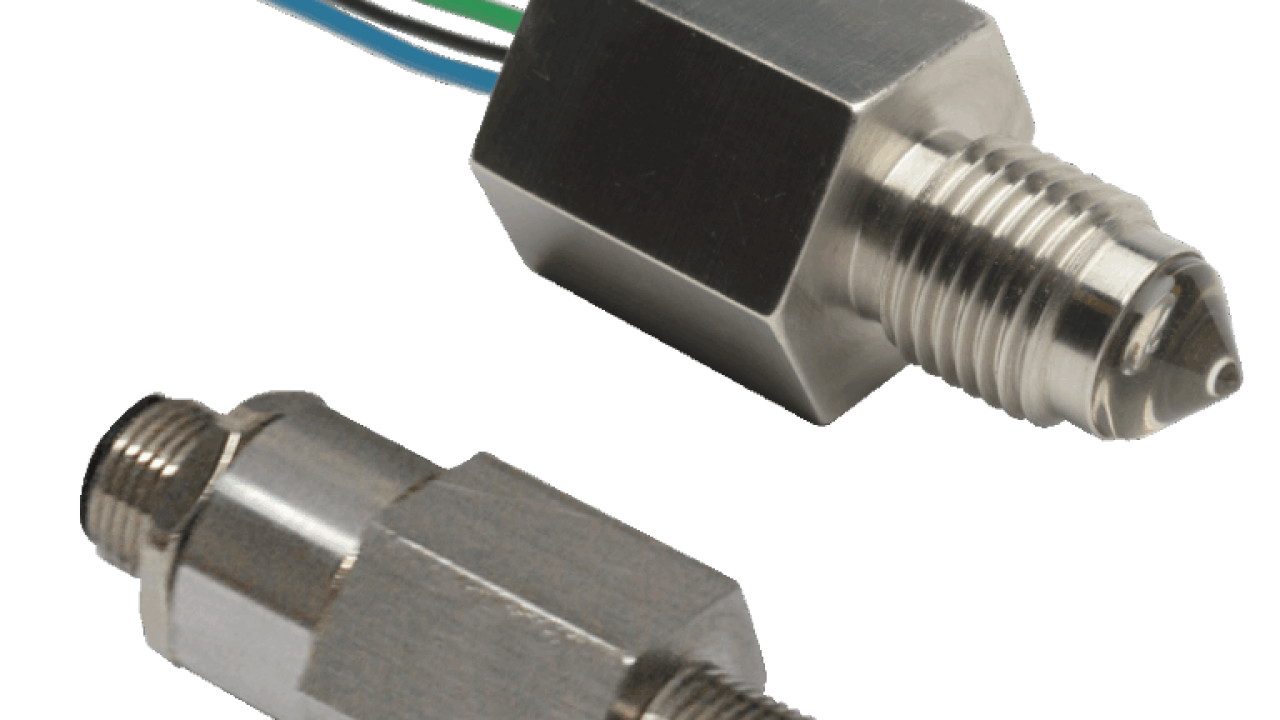
Dynament NDIR gas sensors are available in standard-power and high-power configurations. Selecting the appropriate version allows system designers to balance power consumption with the need to keep the sensor above the surrounding ambient temperature.
Although the additional heat can reduce condensation risk, it cannot prevent condensation under every condition. The sensor temperature, gas temperature, humidity, and dew point must all be considered when designing a reliable gas monitoring system.
Selecting the Appropriate Sensor Power Configuration
Dynament offers 2 power configurations for different environmental and system requirements.
Standard-Power NDIR Gas Sensors
Standard-power models are designed for typical indoor and industrial gas monitoring applications.
During operation, these sensors typically reach approximately 7–8 °C above the surrounding ambient temperature. This temperature difference can help reduce the likelihood of moisture forming on the sensor while maintaining lower power consumption.
Standard-power models are suitable where:
- Ambient conditions are relatively stable
- Condensation risk is limited
- Low power consumption is an important design requirement
- The sensor is installed within indoor or controlled industrial equipment
High-Power NDIR Gas Sensors
High-power versions are intended for environments with a greater risk of condensation, including refrigeration and freezer equipment.
These models can operate at temperatures up to approximately 20 °C above ambient. The greater temperature difference helps the sensor remain above the dew point when environmental conditions fluctuate.
High-power models may be appropriate where:
- The sensor experiences frequent temperature changes
- Humidity levels are elevated
- Refrigeration cycles increase condensation risk
- Additional heating is required to protect measurement stability
The high-power configuration consumes more energy than the standard version. Sensor selection should therefore balance available power, environmental exposure, and the level of condensation protection required by the application.
Best Practices for Reducing Moisture Interference
Choosing the appropriate sensor power mode is only one part of condensation management. Installation and sample-system design also influence measurement reliability.
The following practices can help reduce moisture-related interference:
- Avoid rapid temperature changes around the sensor
- Position the sensor away from direct sources of condensation
- Prevent liquid water from entering the sensing chamber
- Dry the sample gas before it reaches the sensor in sampled-gas systems
- se suitable filters or protective enclosures where required
- Operate compatible sensors at the maximum rated 5 V input to help stabilize their internal temperature
- Follow the product datasheet and application guidance for the selected model
These measures can help protect the sensor’s optical components and maintain stable gas measurements over time.
How Moisture Can Affect NDIR Sensor Performance
- Measurement Errors
Condensation inside the optical chamber can interfere with the pyroelectric detector’s ability to receive the infrared signal. This may cause unstable, inaccurate, or false gas readings.
The effect can continue until the moisture evaporates and the optical path returns to its normal condition.
- Reduced Infrared Transmission
Water droplets or a moisture film on an optical surface can absorb or scatter infrared light. This reduces the signal reaching the detector and may affect the relationship between the active and reference channels.
Repeated condensation can also leave residues on the optical surfaces, particularly when the surrounding atmosphere contains dust or other contaminants.
- Corrosion and Reduced Operating Life
Long-term exposure to moisture can increase the risk of corrosion within the sensing system. This risk may become more significant when reactive gases such as hydrogen sulfide are present.
Moisture and hydrogen sulfide can contribute to the formation of corrosive compounds, potentially damaging internal components. Protecting the sensor against condensation and contaminant ingress can therefore help extend operating life and reduce maintenance requirements.
Why the Dew Point Matters
Condensation occurs when the temperature of a surface falls below the dew point of the surrounding air or gas. At this point, water vapor changes into liquid and can settle on the sensor’s optical and mechanical components.
The dew point varies according to temperature, humidity, pressure, and gas composition. A sensor that remains dry under one operating condition may experience condensation after a rapid temperature change or increase in humidity.
Applications particularly vulnerable to condensation include:
- Refrigeration and freezer equipment
- HVAC and cooling systems
- Humid industrial environments
- Outdoor monitoring equipment
- Processes involving wet or saturated sample gases
- Systems exposed to frequent thermal cycling
Keeping the sensor above the dew point helps reduce condensation risk. However, effective protection may also require appropriate installation, sample conditioning, drainage, filtration, or enclosure design.
How Dynament NDIR Gas Detection Technology Works
Dynament NDIR gas sensors use infrared absorption to measure gases including carbon dioxide, methane, other hydrocarbons, and refrigerants.
The principal components include:
- Infrared emitter: A durable tungsten filament generates infrared energy.
- Pyroelectric detectors: Temperature-compensated detectors measure the infrared signal.
- Gas sampling chamber: The chamber allows the target gas to diffuse into the optical path.
- Integrated electronics: Temperature sensors and signal-processing electronics calculate the gas concentration.
The infrared source is modulated to produce a signal measured through active and reference channels. When the target gas is present, it absorbs infrared energy at a specific wavelength, reducing the signal received by the active channel. The reference channel remains unaffected by the target gas.
The sensor electronics compare the 2 signals to calculate gas concentration. This ratio-based measurement helps compensate for temperature variations and changes in infrared source output over time, supporting stable long-term performance.
Supporting Reliable Industrial Gas Monitoring
Selecting the correct power configuration can help engineers manage both energy use and condensation risk. Standard-power NDIR gas sensors are suitable for stable environments and applications where lower power consumption is important. High-power versions provide additional heating for refrigeration systems and other conditions where moisture is more likely to form.
Power mode selection should be combined with suitable sensor placement, environmental protection, and sample conditioning. Together, these measures help maintain reliable infrared gas detection and protect the sensor throughout its operating life.
For technical guidance or support selecting a Dynament gas sensor, contact the Dynament team or email sensors@dwyeromega.com.