In metal additive manufacturing, oxygen control is essential beyond the build chamber. Controlled atmospheric conditions are also important when metal powder is stored, transferred, conditioned, reused, and removed from completed parts.
Monitoring oxygen throughout the additive manufacturing process helps manufacturers protect powder integrity, maintain stable production conditions, improve part consistency, and manage safety risks. It can also provide valuable process data for quality assurance and help reduce interruptions caused by unstable atmospheres.
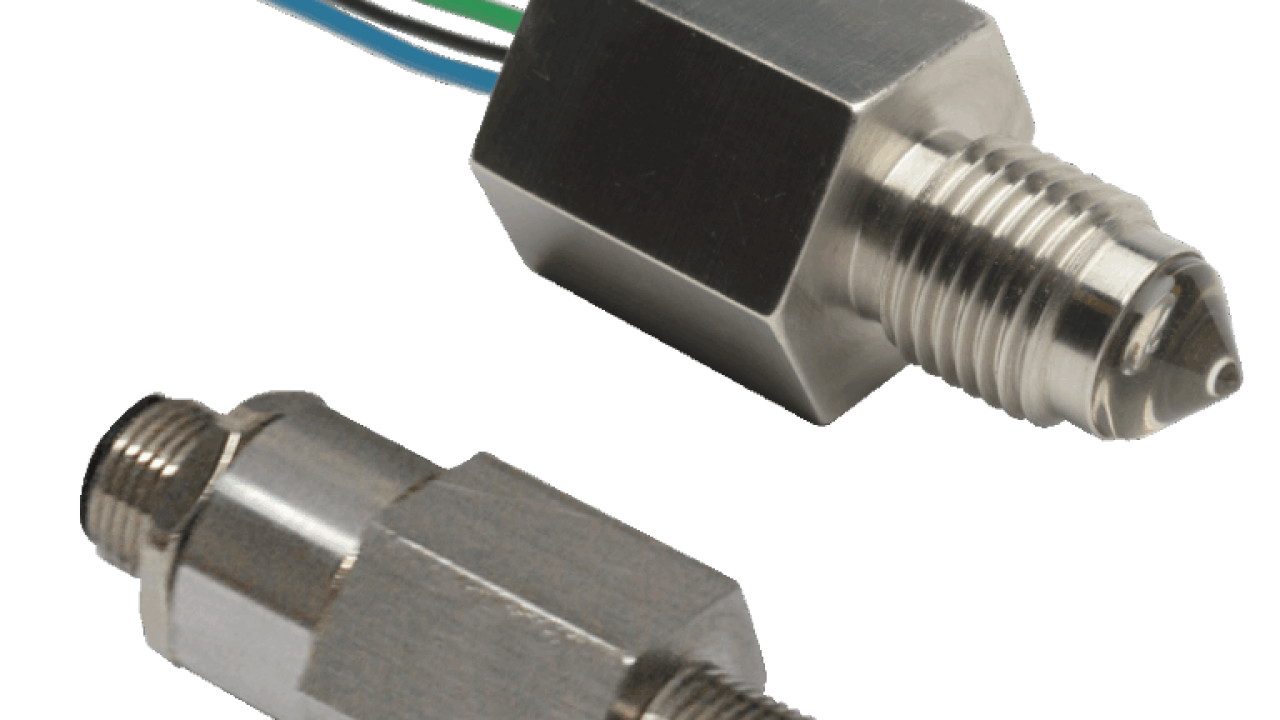
Sensore Electronic offers oxygen monitoring solutions for different stages of the AM workflow. The OXY-ProXT Oxygen Transmitter supports precise process measurement, while the Microx ProSafe SIL2 Dual-Channel Oxygen Transmitter is designed for safety-critical monitoring applications.
Together, these solutions enable OEMs, production facilities, and process engineers to implement reliable oxygen monitoring from powder handling through to printing and post-processing.
Why Oxygen Control Matters Throughout the AM Workflow
Metal powders can react with oxygen during several stages of the additive manufacturing process. Even low oxygen concentrations may affect material properties, process stability, and operational safety.
Uncontrolled oxygen exposure can:
- Cause unwanted oxidation of metal powder
- Increase combustion or explosion risks in powder-handling areas
- Contribute to porosity or reduced mechanical performance in finished parts
- Create inconsistent conditions between production batches
- Complicate internal safety and quality procedures
A complete oxygen monitoring strategy helps manufacturers maintain controlled conditions during powder storage and handling, build chamber operation, and depowdering.
Where Oxygen Monitoring Is Required in Additive Manufacturing
-
Build Chamber:Maintaininga Controlled Inert Atmosphere
During metal 3D printing, the build chamber is commonly purged with an inert gas to reduce oxygen concentration. Maintaining a stable inert atmosphere helps support:
- Consistent melt-pool behaviour
- Predictable material microstructure
- Repeatable mechanical properties
- Reduced oxidation during the build
- Reliable production from one build to the next
For more information about the sensing technology used in these environments, read our article on zirconia oxygen sensors in additive manufacturing.
The OXY-ProXT provides accurate and repeatable oxygen measurements for gas purge control and real-time process monitoring. Its measurement data can be integrated into the machine control system to verify chamber conditions before and during printing.
Typical build chamber applications include:
- Inert atmosphere control
- Gas purge and flow verification
- Continuous oxygen measurement
- Quality assurance and process data logging
Learn more about the OXY-ProXT Oxygen Transmitter.
-
Powder Handling and Conveying: Protecting Powder Integrity
Before printing begins, metal powder may pass through several handling stages. It can be transferred between containers, sieved or conditioned, stored for reuse, and loaded into the machine’s powder feed system.
Exposure to oxygen, and in some cases moisture, can affect powder quality and contribute to inconsistent printing results. Reactive metal powders may also present additional safety risks when exposed to uncontrolled atmospheric conditions.
Integrating oxygen monitoring into powder-handling equipment can help manufacturers:
- Verify that inert conditions are maintained
- Limit oxidation during transfer and storage
- Protect the consistency of reused powder
- Improve traceability between processing stages
- Detect unwanted air entering enclosed systems
Explore how Sensore Electronic solutions are used across the additive manufacturing workflow to support powder integrity and controlled atmosphere monitoring.
-
Depowderingand Post-Processing: Supporting Safe Operation
Once a build is complete, loose powder must be removed from the printed component. Depowdering and related post-processing activities may involve enclosed workstations, fine reactive powders, and residual inert gases mixing with ambient air.
Reliable oxygen monitoring can help identify changing atmospheric conditions and support safety systems designed to reduce:
- Fire and explosion risks
- Exposure to oxygen-deficient environments
- Unexpected process interruptions
- Unplanned system shutdowns
The Microx ProSafe SIL2 is designed for safety-critical oxygen monitoring. It can support protective actions and safety interlocks where dependable measurement is required as part of a wider risk-reduction strategy.
Learn more about the Microx ProSafe SIL2.
Benefits of Oxygen Monitoring in Additive Manufacturing
Deploying suitable oxygen sensors and transmitters throughout the AM workflow can provide several operational benefits:
- Improved part quality: Reduced powder and melt-pool oxidation supports more consistent production results.
- Enhanced safety: Oxygen monitoring helps manage ignition risks during powder handling and depowdering.
- Greater process visibility: Measurement data supports quality assurance, process optimisation, and traceability.
- Improved powder management: Controlled conditions can help maintain material integrity during transfer, storage, and reuse.
- Higher operational efficiency: Stable atmospheres can reduce build failures and unplanned interruptions.
Effective additive manufacturing oxygen monitoring is therefore not limited to the build chamber. It supports atmospheric control wherever reactive powders, inert gases, operators, and production equipment interact.
Challenges Oxygen Monitoring Helps Address
Oxygen monitoring can help AM manufacturers identify and manage several common production challenges:
- Unstable inert atmospheres: Concentrations may change during purging, chamber cycling, or material transfer.
- Powder degradation: Uncontrolled exposure can cause oxidation and affect material consistency.
- Safety risks: Reactive powders and changing oxygen levels require appropriate monitoring and control.
- Inconsistent builds: Atmospheric variation can influence process repeatability and final part performance.
- Limited process data: Continuous measurements provide useful information for troubleshooting and quality records.
Oxygen transmitters such as the OXY-ProXT and Microx ProSafe SIL2 provide stable measurement and flexible integration options for different AM process and safety requirements.
Download the datasheets for the OXY-ProXT and Microx ProSafe SIL2.