Aircraft manufacturers and aerospace system suppliers treat fire protection as a fundamental requirement throughout aircraft design, testing and certification. Fuel systems require particular attention because an ignition source could create a serious hazard when flammable fuel vapours are present.
An aircraft fuel tank inerting system helps control this risk by reducing the oxygen concentration within the tank. Nitrogen-enriched air displaces oxygen and creates conditions in which the fuel vapour is less likely to ignite.
Reliable oxygen measurement supports aircraft fuel tank safety. Oxygen sensors provide the data required to monitor inerting performance, verify oxygen levels, and identify potential changes in system operation. Zirconia oxygen sensors are well suited to this role because they combine fast response, measurement stability, and durability under demanding aerospace conditions.
Engineers must understand the role of oxygen monitoring when developing or maintaining an OBIGGS. This is particularly important in fuel-system design, aircraft safety and sensor integration.
Aircraft fuel tank inerting systems use nitrogen-enriched air to reduce oxygen concentration in the tank’s vapour space. Zirconia oxygen sensors provide continuous measurements that help the OBIGGS controller verify inerting performance and identify unexpected changes in oxygen levels.
Reducing Fuel Tank Explosion Risk in Aircraft
Fire requires fuel, oxygen, and an ignition source. A fuel tank inerting system reduces the risk of combustion by controlling the oxygen component of this fire triangle.
On-Board Inert Gas Generation Systems, commonly known as OBIGGS, are widely used for this purpose. An OBIGGS system receives compressed air and passes it through Air Separation Modules. These modules remove part of the oxygen to produce Nitrogen-Enriched Air, or NEA.
The NEA is then distributed to the aircraft fuel tanks, reducing the oxygen concentration in the vapour space below the required flammability threshold. Maintaining this controlled environment helps minimise the possibility of fuel vapour ignition during aircraft operation.
Commercial aircraft commonly use OBIGGS. Military platforms may employ additional technologies, including reticulated foam, halon systems or liquid nitrogen, depending on the aircraft design and operating requirements.
Regardless of the method, effective protection depends on accurate aircraft fuel tank oxygen monitoring. Incorrect or unstable measurements could affect the system’s ability to confirm that the required inert conditions are being maintained.
The Engineering Advantages of Zirconia Oxygen Sensors
Zirconium dioxide oxygen sensors, also known as zirconia or solid-electrolyte oxygen sensors, provide responsive and stable oxygen concentration measurements. These characteristics make them suitable for OBIGGS monitoring and other aerospace oxygen monitoring applications.
Continuous Monitoring of Inerting Performance
A zirconia oxygen sensor provides continuous information about oxygen concentration within the fuel tank inerting system. The controller uses this measurement to verify the condition of the nitrogen-enriched air. It can then confirm whether oxygen remains within the required operating limits.
Real-time feedback can also support the regulation of nitrogen generation and distribution. This enables the OBIGGS system to respond to changing conditions during different phases of aircraft operation.
Supporting a Layered Safety Strategy
Aircraft fire protection relies on multiple safety measures working together. The inerting system reduces the oxygen concentration, while the oxygen sensor provides an active measurement that helps confirm system performance.
This layered approach allows the control system to detect an unexpected increase in oxygen and generate the appropriate system or maintenance alert. Oxygen monitoring therefore provides an additional diagnostic function alongside the protective effect of fuel tank inerting.
Identifying System Degradation or Leaks
Changes in oxygen concentration can provide an early warning of a developing system problem. An unexpected increase may indicate reduced Air Separation Module performance, a leak or an issue within the NEA distribution lines.
Early identification allows the system condition to be investigated before performance deteriorates further. This can support preventive maintenance, reduce unplanned downtime, and help preserve the safety margins of the fuel tank inerting system.
SST Zirconia Oxygen Sensors for Aerospace Applications
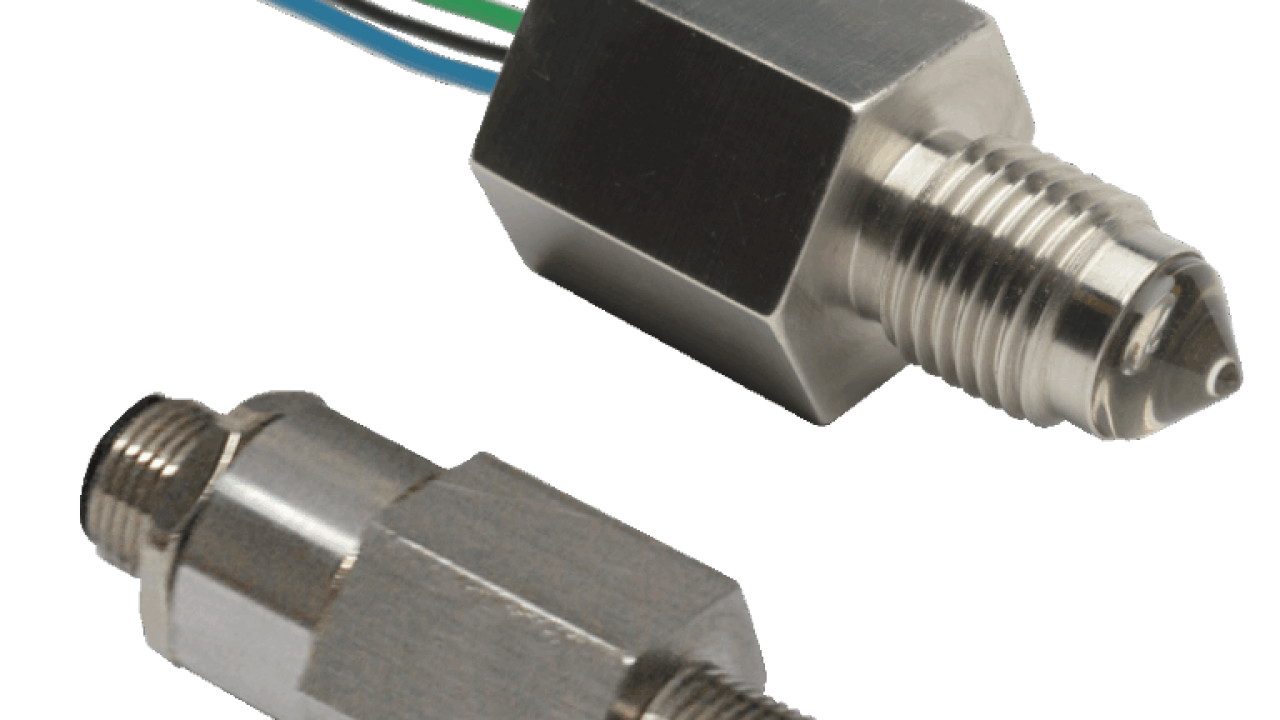
SST develops zirconium dioxide oxygen sensors engineered for integration into aerospace systems. SST sensors support oxygen measurement within OBIGGS installations. They are used in aircraft platforms produced by manufacturers including Boeing and Airbus.
Designed for continuous operation in demanding conditions, these sensors provide:
- Fast response to oxygen concentration changes
- High measurement accuracy
- Stable long-term performance
- Resistance to changing temperatures and vibration
- Durability in demanding operating environments
- Flexible integration into different system architectures
The sensing element measures the oxygen partial-pressure difference between the reference air and sample gas. The measurement is converted into a signal for the OBIGGS controller.
SST oxygen sensors are also designed to simplify integration into different fuel tank inerting system configurations. Their stable performance and robust construction can help reduce maintenance requirements while supporting dependable operation throughout the service life of the system.
Frequently Asked Questions
What is an aircraft fuel tank inerting system?
An aircraft fuel tank inerting system reduces oxygen concentration within the tank’s vapour space. On-Board Inert Gas Generation Systems use Air Separation Modules to produce nitrogen-enriched air, which helps reduce the likelihood of fuel vapour ignition.
What role does an oxygen sensor play in an OBIGGS?
An oxygen sensor continuously measures oxygen concentration within the inerting system. The OBIGGS controller uses this data to assess the nitrogen-enriched air and confirm that oxygen remains within the required limits.
Why are zirconia oxygen sensors used in aircraft inerting systems?
Zirconia oxygen sensors provide responsive and stable oxygen measurements. Their durability, long-term performance and resistance to changing temperatures and vibration make them suitable for demanding aerospace oxygen-monitoring applications.
Can oxygen sensors help identify an OBIGGS fault?
Yes. Unexpected oxygen changes may indicate reduced Air Separation Module performance, a leak or a problem within the NEA distribution system. The control system can then generate an appropriate operating or maintenance alert.
What should engineers consider when selecting an aerospace oxygen sensor?
Engineers should consider the oxygen measurement range, response time, operating temperature, vibration, pressure conditions and required system interface. The sensor configuration must also be suitable for the OBIGGS architecture and intended installation point.
Conclusion
An aircraft fuel tank inerting system must continuously maintain the atmospheric conditions required to reduce fuel vapour flammability. Accurate oxygen monitoring provides the information needed to verify this performance and identify potential system deterioration.
If you are developing, upgrading, or maintaining an aircraft fuel tank inerting system, contact the SST engineering team to discuss your aircraft fuel tank oxygen-monitoring requirements and identify a sensor solution suited to your platform.