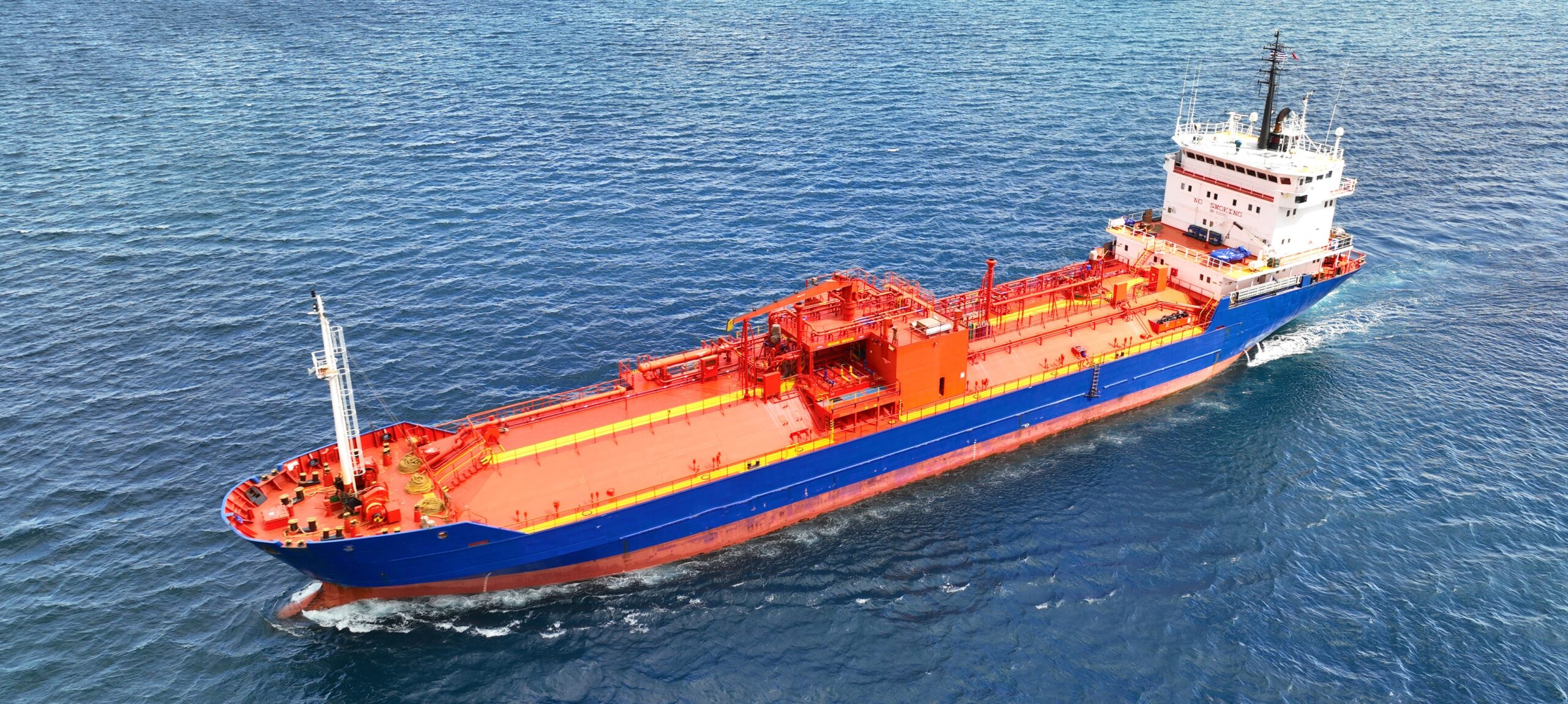
Marine Inerting Systems
An explosion can only occur when three key elements are present: a source of ignition (such as static electricity), a fuel (like a hydrocarbon gas), and oxygen at a concentration high enough to support combustion. By removing or managing any one of these components, the risk of explosion can be eliminated.
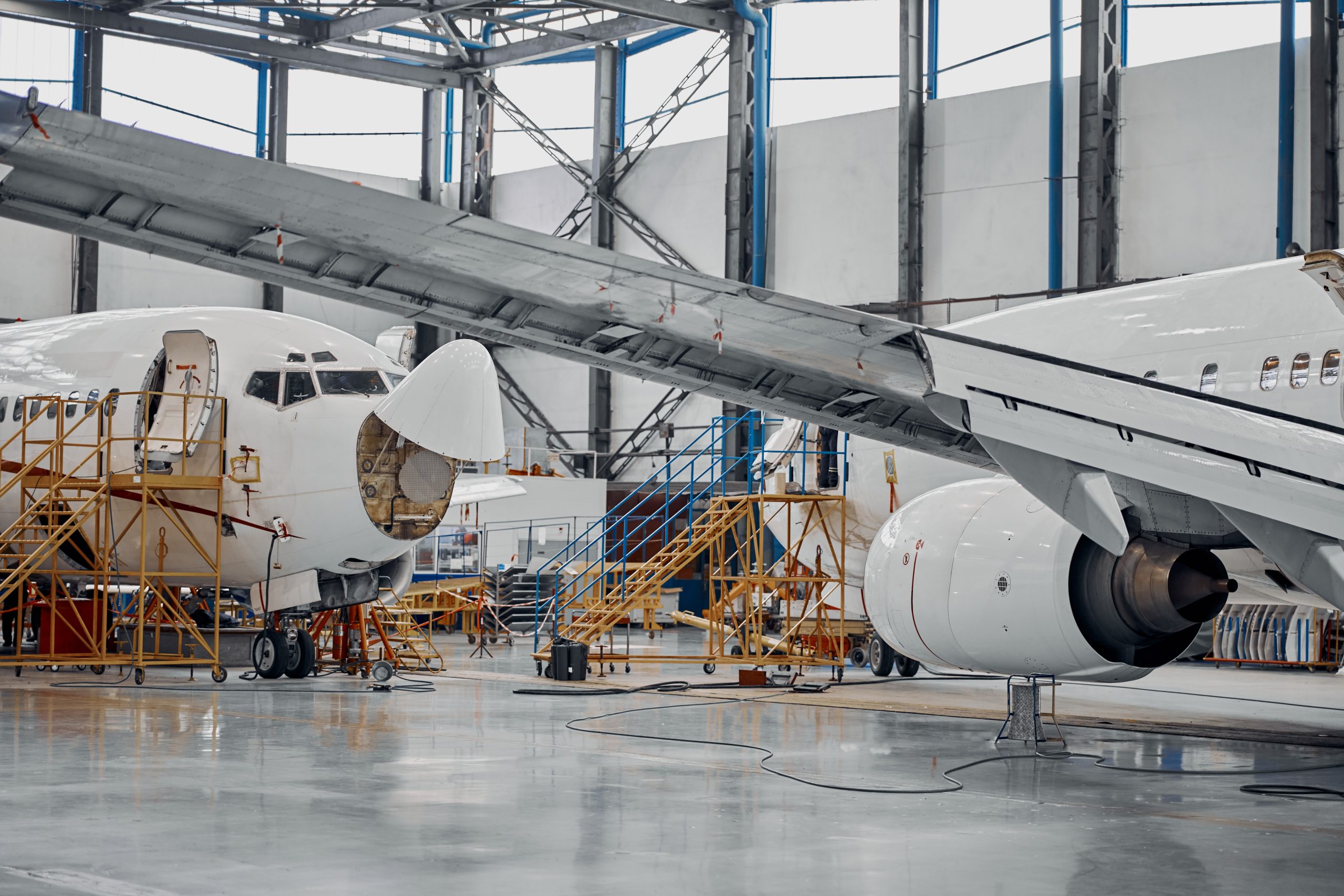
SST supplies thousands of oxygen sensors annually to the EU and US aerospace markets to help regulate oxygen levels in aircraft fuel tanks—significantly reducing the risk of ignition from static electricity or similar sources. These sensors are an essential component of OBIGGS (On-Board Inert Gas Generation Systems), developed following the TWA800 disaster in 1996 to enhance flight safety.
Recognizing the parallels in safety requirements, SST initiated collaboration with inert gas system manufacturers in the marine industry. Marine fuel and cargo tanks also require precise control of oxygen and hydrocarbon gas concentrations to maintain a non-explosive atmosphere.
Marine Inerting Systems are among the most effective solutions to meet this need.
Regulations mandate that vessels over 20,000 deadweight tons (dwt) carrying crude oil, hydrocarbon gases, or refined oil products must be equipped with inert gas systems. In response to ongoing safety concerns, the IMO (International Maritime Organization) Sub-Committee on Fire Protection proposed amendments to the SOLAS (Safety of Life at Sea) convention, aiming to minimize fire and explosion risks on oil and chemical tankers transporting low-flashpoint cargoes (below 60°C).
These amendments—specifically to SOLAS regulations II-2/4.5.5 and II-2/16.3.3—came into effect on January 1, 2016. They require inert gas systems to be installed on all new oil and chemical tankers of 8,000 dwt and above when carrying such cargoes.
To maintain an inert, explosion-safe environment, oxygen levels must remain below 5%. SST’s oxygen sensors enable precise monitoring and control of oxygen concentration, ensuring compliance and enhancing safety.
