Optimising Diesel Engine Emission Control Through Reliable Fluid Level Detection
To comply with increasingly strict global emissions regulations, diesel engine manufacturers use Selective Catalytic Reduction (SCR) technology to lower harmful Nitrogen Oxide (NOx) emissions. An SCR system injects Diesel Exhaust Fluid (DEF), commonly called AdBlue, into the exhaust stream, where it reacts with NOx over a catalyst to convert harmful emissions into nitrogen, water, and trace amounts of carbon dioxide.
This process can cut NOx emissions by up to 90%, significantly improving air quality and fuel efficiency. However, SCR systems only operate correctly when the DEF tank maintains an adequate fluid level. If DEF levels drop too low, the engine’s control system may restrict power output or prevent operation entirely to remain compliant with emission standards.
Accurately detecting the presence or absence of AdBlue ensures the SCR system operates correctly. By integrating a reliable liquid level switch, engineers can ensure optimal SCR operation, prevent emission faults, and protect the system from downtime.
Industry Challenges: Precision, Durability, and Compliance
Designing level sensing systems for SCR applications presents multiple engineering challenges:
- Harsh environments: Exposure to heat, vibration, and freezing temperatures can cause sensor failure.
- Chemical exposure: Diesel Exhaust Fluid (DEF) is urea-based and can degrade unsuitable materials.
- Accuracy and reliability: Inaccurate readings can lead to false alarms, inefficient dosing, or SCR shutdowns.
- Compact integration: Modern diesel systems have limited space for sensors and wiring.
- Regulatory pressure: Stringent standards such as Euro VI and EPA 2010 require dependable SCR performance.
To address these challenges, engineers need robust, compact, and maintenance-free sensing technologies that perform reliably in chemically aggressive and thermally demanding environments.
Solution Overview: SST Optical Infrared Level Sensors for SCR Systems
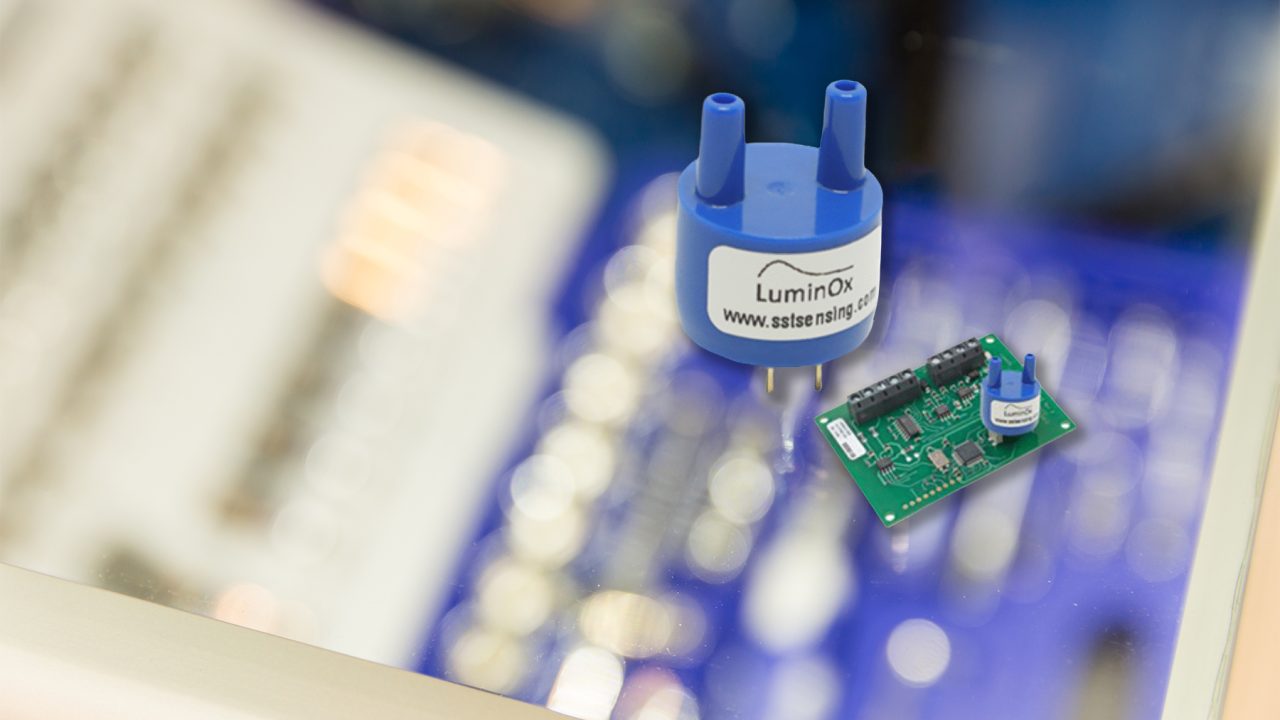
SST Sensing’s Optomax Optical Liquid Level Switches deliver reliable performance in harsh industrial and automotive environments. Utilizing infrared LED sensing technology, they offer precise, solid-state liquid detection with no mechanical components to wear out or fail. One of the key advantages of the Liquid Level Glass is its high pressure capability, making it suitable for demanding applications, while also withstanding high temperatures, chemically aggressive liquids, and vibration-prone environments.
For SCR applications, two leading options are the Optomax Industrial Glass Liquid Level Switch and the Optomax Digital, both delivering exceptional performance and reliability in demanding operating conditions.

SST Optomax Industrial Glass Liquid Level Switch
The Optomax Glass sensor operates reliably in high-temperature, chemically aggressive, and vibration-prone environments. It detects fluid accurately using a solid-state optical method. An infrared LED emits light, and the sensor interprets changes in the reflection pattern to determine whether liquid is present.
Key Features and Benefits:
- Infrared optical detection: Provides accurate presence/absence readings in AdBlue tanks.
- Solid-state reliability: No moving parts, ensuring long operational life and resistance to vibration.
- High temperature operation: Performs reliably up to +125°C, ideal for under-hood installation.
- High vibration tolerance: Ideal for off-road, construction, or agricultural vehicles.
- Compact and durable: Small footprint simplifies integration into SCR tanks.
- Digital output: Provides direct interface with vehicle ECUs or control systems.
- Borosilicate glass and stainless steel housing: Chemically resistant to urea-based DEF and harsh engine fluids.
This model is an excellent choice for heavy-duty vehicles, marine engines, and industrial SCR systems that require robust, long-term level monitoring under extreme conditions.

SST Optomax Digital
For OEMs and system designers seeking a compact, energy-efficient, and versatile sensor for AdBlue or DEF level detection, the Optomax Digital is a proven performer. It offers the same optical detection principle as the Industrial Glass version but in a smaller and lighter design, making it ideal for retrofit systems, compact vehicles, and off-highway applications.
Key Features and Benefits:
- Small and compact: Perfect for tight installations or modular tank systems.
- Less robust, lighter weight and lower cost than some alternatives.
- Solid-state design: No moving parts, ensuring maintenance-free reliability.
- High vibration tolerance: Ideal for off-road, construction, or agricultural vehicles.
- Operating temperature up to +125°C: Ensures performance in extreme thermal environments.
- Chemically resistant Polysulfone housing: Compatible with AdBlue, DEF, and other industrial fluids.
- Low power, digital output: Simple integration into low-voltage systems and control electronics.
The Optomax Digital is particularly well-suited for industrial applications, marine, and mobile power generation systems, offering precise detection with a minimal footprint and portable equipment.
Applications and Industries
Engineers deploy SST’s optical infrared sensors across a wide range of markets and applications, including:
- Diesel SCR systems for commercial, agricultural, and heavy duty and off-highway vehicles
- Marine emissions systems in ferries, tugboats, and cargo vessels
- Diesel generator sets and power systems with emissions aftertreatment
- Retrofit SCR installations for older diesel engines
- Controlled atmosphere and storage systems for perishable goods
- Industrial process tanks and chemical dosing systems requiring fluid presence detection
Both sensor models are solid-state, compact, and chemically resistant, ensuring continuous performance in environments where precision and durability are critical.
In conclusion
As emissions legislation continues to evolve, SCR systems have become critical for ensuring diesel engine compliance. Accurate monitoring of AdBlue levels is essential for these systems to operate effectively. SST’s Optomax Liquid Level Sensors deliver a robust, reliable, and maintenance-free solution for tracking Diesel Exhaust Fluid levels. Their optical infrared sensing, solid-state construction, and chemical-resistant housing ensure continuous SCR operation, helping to reduce emissions, enhance safety, and maintain compliance with global standards.