
SST Sensing’s zirconia oxygen sensors are widely used in industrial and laboratory applications due to their reliability and precision. However, the operating environment has a significant impact on the lifespan of sensors. Understanding how to protect and maintain these sensors can help prevent premature failure and ensure consistent performance.
Fail-Safe Operation and Sensor Monitoring
SST zirconia oxygen sensors feature a dynamic, active cell design that is inherently fail-safe. The sensor continually cycles and measures the generated Nernst voltage, a process that acts as the “heartbeat” of the sensor. If this cycling stops, it indicates a fault within the cell, which the interface electronics can quickly detect.
Operating in Warm, Humid, or Aggressive Environments
Zirconia oxygen sensors are susceptible to damage due condensation when not in operation, especially in warm, humid, or chemically aggressive environments. During regular operation, the sensor heater maintains a temperature of approximately 700 °C, which mitigates condensation.
However, during power-down sequences, the sensor heater must be the last component to turn off, allowing the surrounding environment to cool first. In very high humidity conditions, maintaining a low standby heater voltage (approximately 2 VDC) can help prevent moisture-related damage when the sensor is not operating.
Failure to follow these precautions can result in condensation forming on the sensor’s heater and sensing element. When the sensor is re-powered, the evaporating moisture can leave behind corrosive salts that rapidly damage both the heater and sensing element, even if the sensor’s external housing appears unaffected.
Protecting the Sensor from Water Exposure
Excessive moisture, including falling droplets, can cause thermal shock to the hot zirconia cell and heater, leading to sensor failure. Protection methods include:
These measures help prevent direct contact between water and the sensor, extending operational life.
Avoiding Silicone Contamination
Zirconia oxygen sensors are highly susceptible to damage from silicone vapors, commonly emitted by RTV rubbers and sealants. When silicone vapors reach the sensor, the high temperature of the sensor parts burns the organic compounds, leaving fine silicon dioxide (SiO₂) deposits. These deposits block pores and active electrode surfaces, drastically reducing sensor performance.
To minimize risk, use only high-quality, fully cured silicone materials in applications near the sensor.
Why Choose SST Zirconia Oxygen Sensors?
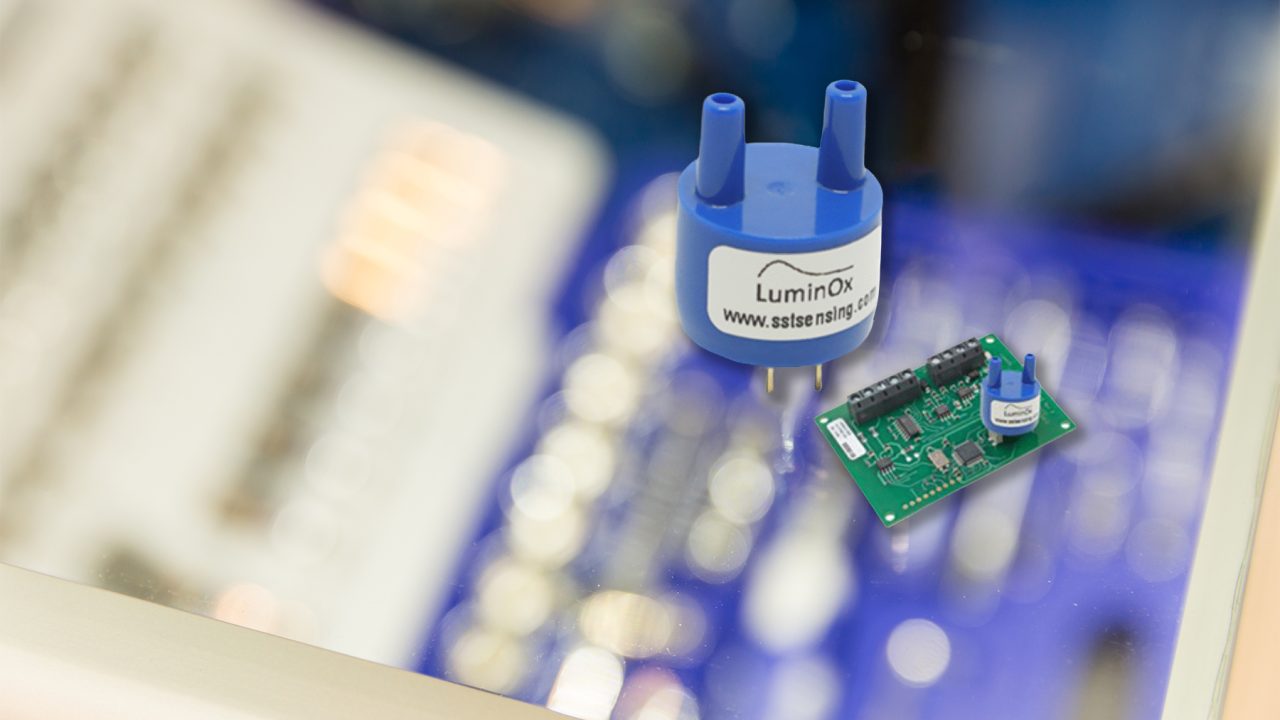
SST’s zirconium dioxide oxygen sensors offer versatile housing styles, cabling options, and electrical connections. They are available as standalone sensors or with integrated electronics providing digital or analogue outputs compatible with industry standards.
Key advantages include:
With proper handling and maintenance, SST zirconia oxygen sensors provide accurate and dependable oxygen measurement in even the most demanding industrial environments.