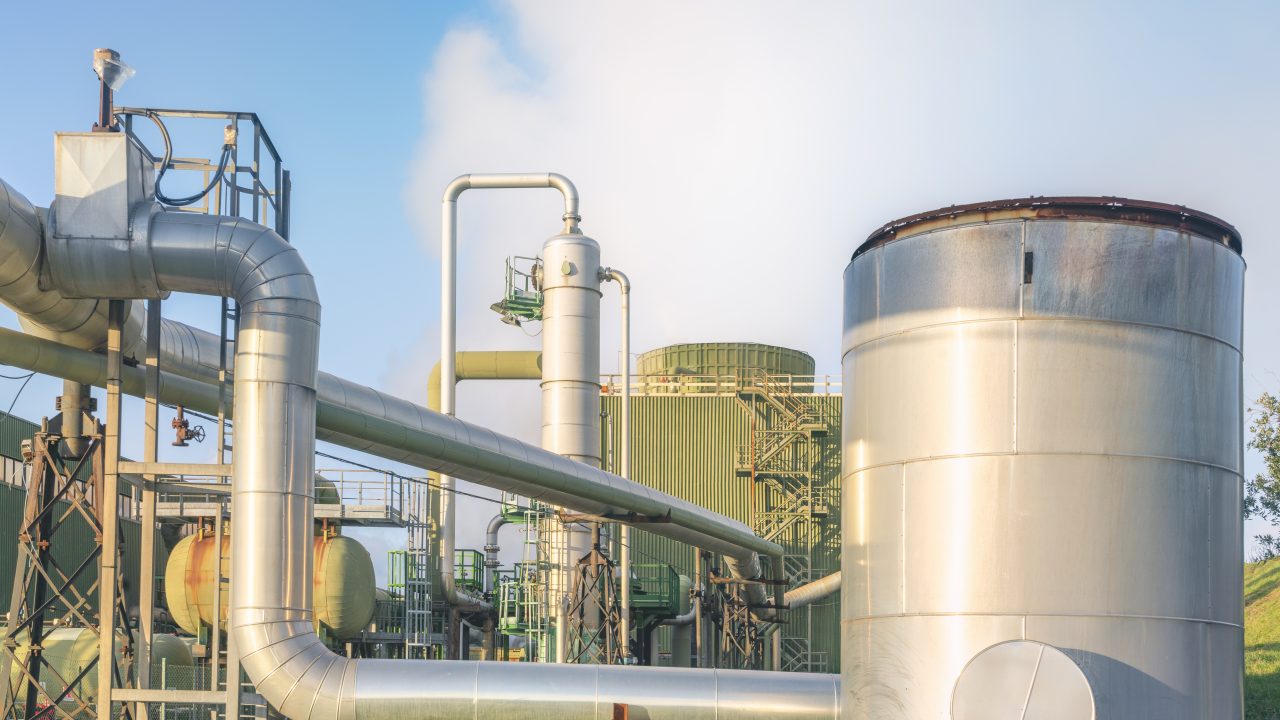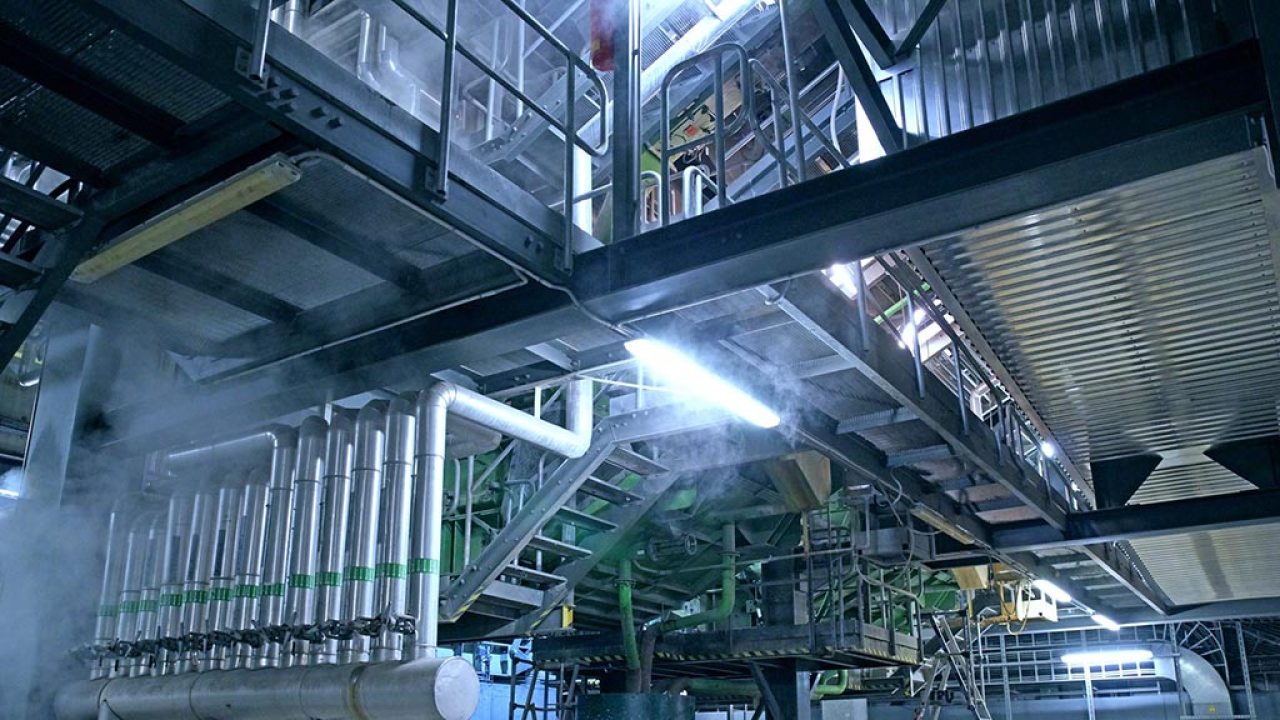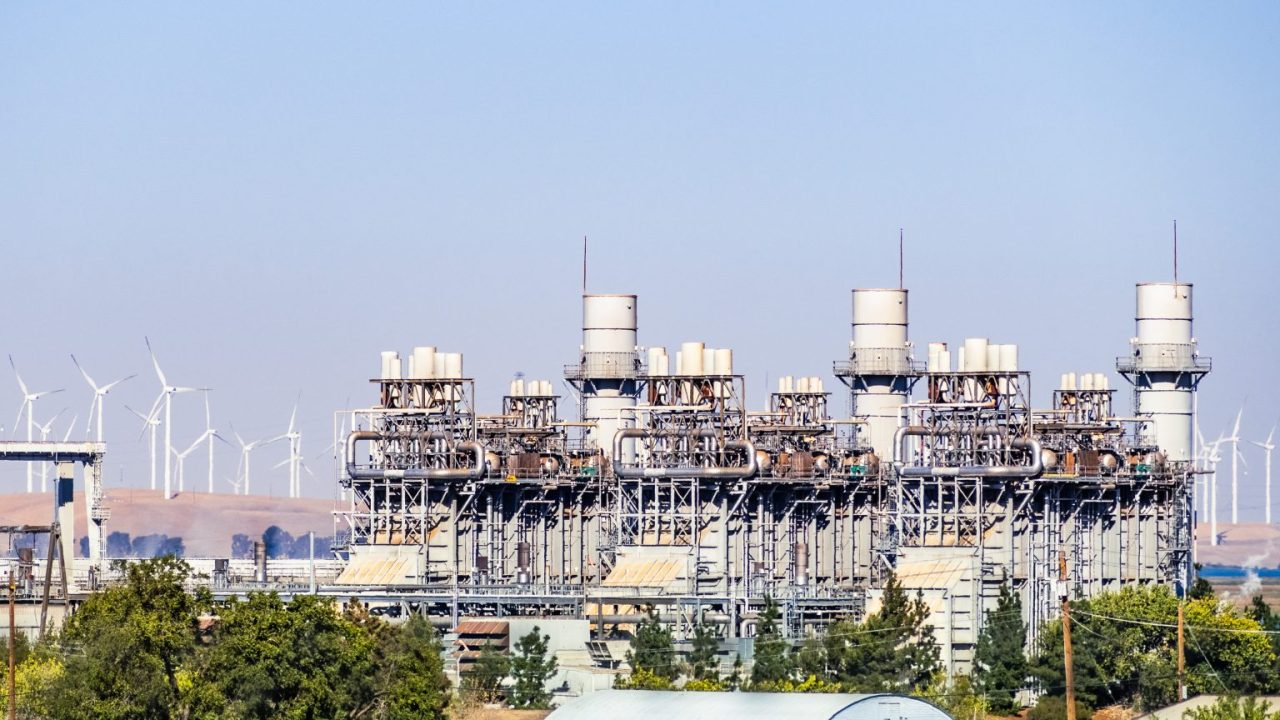
Industrial boilers, incinerators, and process heaters must balance energy efficiency with increasingly demanding emissions requirements. Achieving this balance depends on maintaining stable combustion as fuel composition, burner condition, load, and ambient conditions change.
Continuous oxygen measurement provides essential information about the air-to-fuel ratio. A flue gas oxygen analyzer allows the combustion control system to identify excess air or insufficient oxygen and adjust operating conditions in real time.
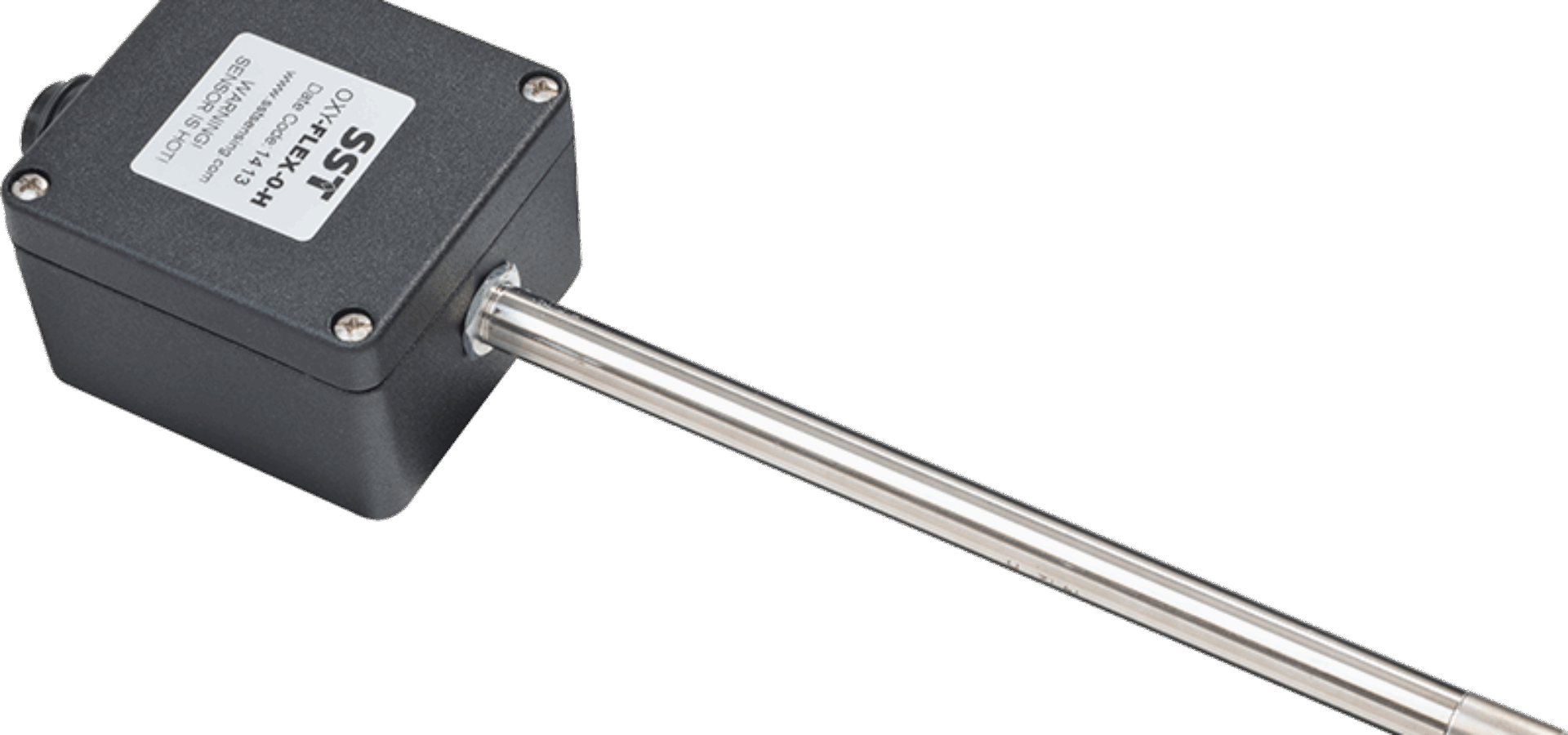
The SST OXY-Flex Oxygen Analyzer uses zirconia sensing technology to provide continuous oxygen measurements for combustion control in demanding industrial environments.
Understanding Combustion and Its Emissions
Combustion occurs when fuel reacts with oxygen and releases heat. Under ideal conditions, a hydrocarbon fuel burns to form carbon dioxide and water. In real industrial systems, however, maintaining a precise stoichiometric balance is difficult.
Changes in fuel quality, burner performance, air supply, or process load can affect combustion and contribute to undesirable by-products.
Nitrogen Oxides
Nitrogen oxides, commonly referred to as NOₓ, can form when nitrogen and oxygen react at elevated combustion temperatures. Their formation depends on several factors, including flame temperature, fuel composition, oxygen availability, and residence time.
Oxygen monitoring supports excess-air control and helps operators maintain consistent combustion conditions. However, NOₓ emissions must be measured using suitable emissions-monitoring equipment where direct regulatory reporting is required.
Carbon Monoxide
Carbon monoxide forms when fuel does not oxidize completely. Insufficient oxygen, poor mixing, unstable flames, or inadequate combustion time can all contribute to higher CO concentrations.
Elevated carbon monoxide may indicate wasted fuel and reduced combustion efficiency, as well as presenting a significant health and safety hazard.
Particulate Matter and Soot
Incomplete combustion can produce soot and other particulate matter. Deposits may accumulate on heat-transfer surfaces, reduce thermal efficiency, and increase cleaning and maintenance requirements.
Particulates released into the atmosphere may also be subject to environmental limits depending on the process and jurisdiction.
Carbon Dioxide
Carbon dioxide is a normal product of complete hydrocarbon combustion and contributes to the carbon footprint of the process. Operators may use fuel consumption and CO₂ measurements alongside other process data to evaluate energy use and greenhouse gas emissions.
Emission Requirements and Process Control
Emission limits for industrial combustion systems vary according to the country, fuel, equipment type, thermal capacity, and application.
Operators may be required to control or report emissions including:
- Nitrogen oxides
- Carbon monoxide
- Sulfur compounds
- Particulate matter
- Carbon dioxide
- Other process-specific pollutants
Reliable combustion control helps reduce avoidable emissions and fuel waste, but an oxygen analyzer does not directly measure each regulated pollutant. Separate continuous emissions monitoring or periodic testing may be required to demonstrate compliance with applicable local regulations.
Flue gas oxygen measurement should therefore be considered part of a wider combustion and emission-control strategy.
The Role of Oxygen Measurement in Combustion Control
Residual oxygen in the flue gas indicates how much combustion air remains after the fuel has burned.
If too little oxygen is available, combustion may be incomplete, increasing carbon monoxide, soot, and unburned fuel. If excessive air is supplied, additional gas must be heated and discharged through the stack, increasing thermal losses.
A combustion control oxygen analyzer allows the system to maintain a suitable balance between these conditions. In a closed-loop system, the oxygen reading can be used to adjust dampers, fans, or fuel delivery.
Continuous oxygen measurement helps compensate for variations in:
- Fuel composition and quality
- Burner condition
- Boiler or heater load
- Ambient air temperature
- Draft and airflow
- Process operating conditions
The appropriate oxygen and excess-air target depends on the fuel, burner, process, and equipment design. Setpoints should be established for the individual installation rather than applying a single value to every combustion system.
Applications for Flue Gas Oxygen Analyzers
Continuous oxygen measurement is used across industries where combustion efficiency, process stability, and emission control are important.
Typical applications include:
- Industrial steam boilers
- Power generation
- Petrochemical refining
- Process heaters
- Thermal cracking
- Glass production
- Steel manufacturing
- Biomass combustion
- Medical and chemical waste incineration
- Crematoria
In each application, an industrial oxygen analyzer provides process data that can support air-to-fuel ratio adjustment and help maintain consistent combustion.
OXY-Flex Oxygen Analyzer for Industrial Combustion Control
The SST OXY-Flex Oxygen Analyzer is designed for continuous measurement in flue gas and other industrial combustion streams.
Its zirconium dioxide sensing element provides a fast and stable oxygen reading without using a depleting sensing cell. Measurement data can be transmitted directly to the process control system, supporting real-time air-to-fuel ratio adjustment.
Key capabilities include:
- Continuous flue gas oxygen measurement: Provides real-time information for combustion monitoring.
- Zirconia sensing technology: Supports stable operation and long sensor life.
- High-temperature capability: Suitable for process gas temperatures up to 400 °C or 752 °F.
- Non-depleting sensing element: Can provide a service life of up to 10 years, depending on operating conditions.
- Industrial output options: Available outputs include 4–20 mA, 0–10 VDC, and RS232.
- Compact construction: Supports both new installations and retrofit projects.
When integrated into a closed-loop combustion control system, the OXY-Flex can help operators:
- Maintain the required air-to-fuel ratio
- Reduce excess-air losses
- Limit incomplete combustion
- Improve fuel utilization
- Support more stable process operation
- Reduce avoidable CO and particulate formation
- Provide combustion data for a wider emissions-management strategy
The analyzer should be selected and installed according to the gas composition, temperature, pressure, mounting position, required output, and environmental conditions.
Supporting Efficient and Controlled Combustion
Accurate oxygen measurement helps industrial facilities understand and control the combustion process. Continuous flue gas data allows control systems to respond to operating changes instead of relying only on fixed burner settings.
The OXY-Flex Oxygen Analyzer combines zirconia sensing technology, high-temperature capability, and industrial outputs in a compact solution for boilers, incinerators, and process heaters.
While oxygen measurement alone does not demonstrate regulatory compliance, it supports the combustion stability and excess-air control needed for an effective emissions-reduction strategy.
Contact SST Sensing to discuss oxygen measurement for your industrial combustion application.