Choosing the right liquid level measurement solution is essential for industrial processes. Engineers frequently must decide between point-level switches and continuous level sensors, each providing unique advantages depending on the application. By understanding the differences, benefits, and limitations of these technologies, you can ensure accurate measurements, maintain process safety, and achieve long-term operational reliability.
This guide covers the operating principles, applications, environmental considerations, and sensor types, with a focus on optical point level switches from SST Sensing.
What is a Point Level Switch?
Point level switches are devices that detect when a liquid has reached a predefined level, indicating the presence or absence of fluid at a specific point. Unlike continuous level sensors, they do not measure intermediate levels.
These switches actively control high or low liquid levels in tanks and vessels, preventing equipment damage, overfilling, or loss of valuable liquids, and avoiding service interruptions due to process failures.
Several technologies enable point-level monitoring, including float switches in both horizontal and vertical configurations, ultrasonic sensors, and optical sensors. When integrated with control or alarm systems, these measurements can trigger automated responses, ensuring safe and reliable operation across a wide range of industrial applications.
Why Choose Optical Point Level Switches?
While conventional point-level switches work for simple applications, they often lack the precision, reliability, and durability required in demanding industrial processes. Float switches, for instance, depend on mechanical components that can wear over time, shortening sensor lifespan, and they require significant fluid contact before generating a signal, which may not deliver the accuracy needed for many operations.
Ultrasonic point level switches, on the other hand, can be affected by tank geometry or interfering fluids, and foams or bubbles within the liquid can reduce their performance. Additionally, ultrasonic systems are often a more expensive option for relatively simple point-level monitoring tasks.
Optical Point Level Switches
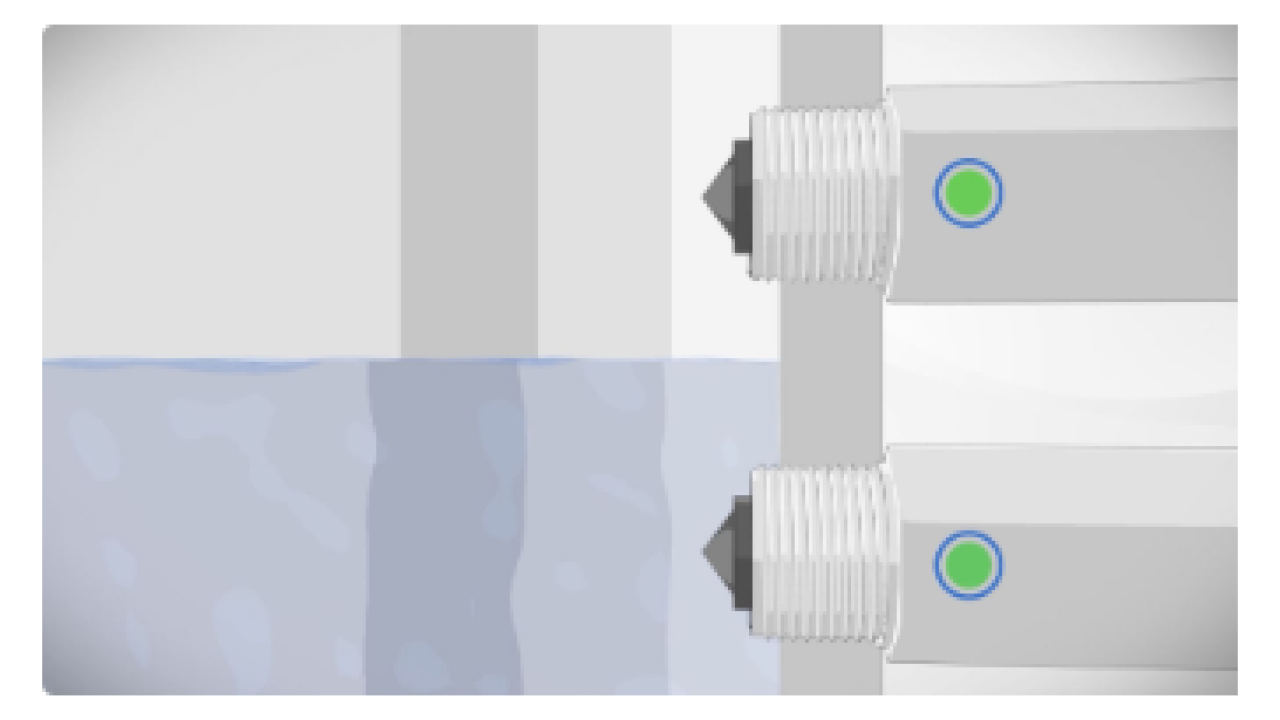
Optical liquid level sensors use a hard-wearing polymer or glass tip housing an infrared (IR) light source and optical detector.
In air: IR light reflects into the detector.
In liquid: IR light refracts out, reducing the detected signal and triggering a response.
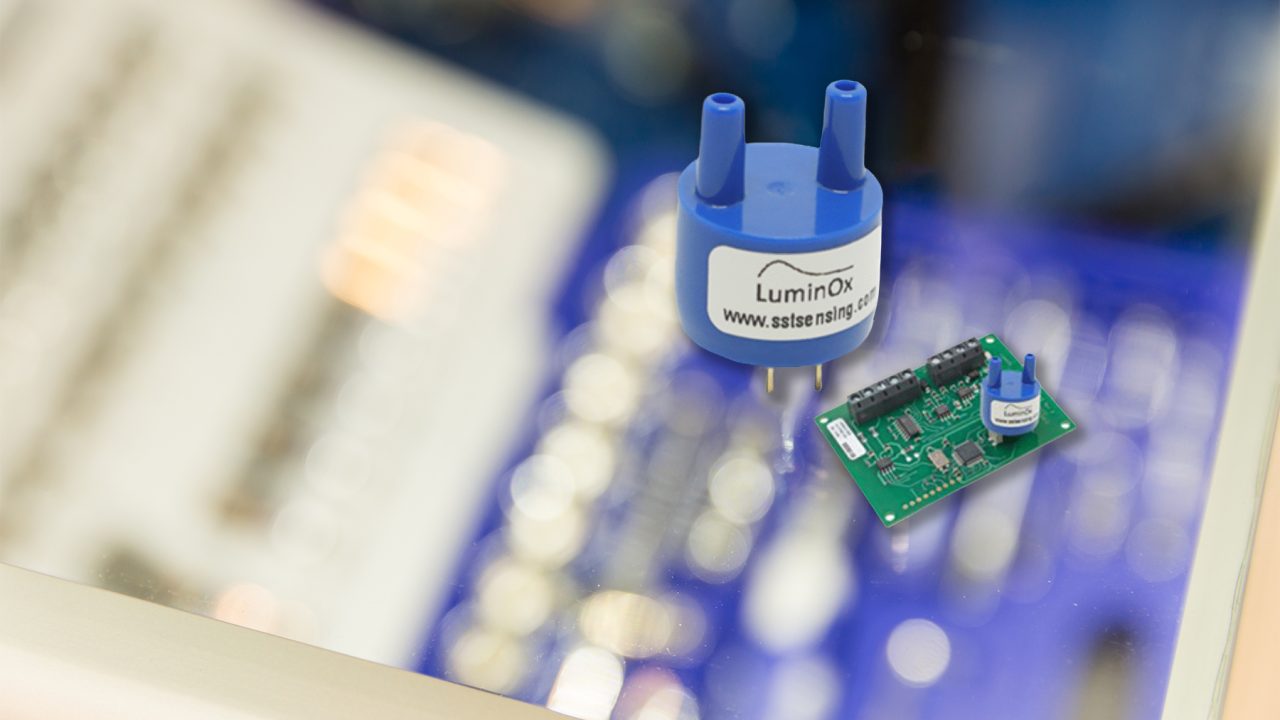
SST Sensing offers a wide range of Optomax optical sensors, providing:
High precision: Detects liquid from 1 mm contact for accurate switching.
Versatility: Works with transparent, opaque, or particulate-laden liquids.
Fast response: Sub-second detection, ideal for dynamic applications.
Low maintenance: Solid-state design with no moving parts.
Chemical compatibility: Suitable for acidic, alkaline, hydrocarbon, plant-based, and potable liquids.
Intrinsically safe versions: For hazardous or explosive environments.
Easy installation: Can be mounted internally or externally in tanks.
Remote monitoring: Integrates with control systems for automated process oversight and control.
Optical sensors are ideal for applications requiring flood prevention, run-dry protection, and industrial process monitoring. They can provide reliable point-level detection even where there are varying ambient light conditions, turbulence, or foam.
Continuous Level Sensors
Unlike point-level switches, which detect specific thresholds, continuous level sensors provide real-time monitoring of the entire liquid level within a tank or vessel. They are particularly valuable in applications where detailed, intermediate-level measurements are required, process optimization and inventory management depend on accurate data, or continuous feedback is needed to improve flow control and overall operational efficiency.
Common types of continuous level sensors include submersible level sensors, ultrasonic sensors, and capacitive sensors, each offering precise measurement capabilities that are well-suited to a variety of industrial applications.
4 Key Factors to Consider When Choosing a Sensor
Operating Principle
Point-level switches: Detect presence or absence at a specific set point.
Continuous sensors: Provide ongoing measurement across the full tank range.
Measuring Task
Point switches: Ideal for high/low alarms, overfill prevention, or leak detection.
Continuous sensors: Required for precise process monitoring and real-time feedback.
Environmental and Application Factors
Temperature & pressure: Must match sensor material and design.
Fluid type & viscosity: Solid-state sensors provide reliable operation when measuring sticky or coating fluids.
Tank size & shape: Narrow or irregular tanks may limit sensor types.
Output type: Analog, digital, or relay outputs may influence the choice.
Sensor Type Selection
Point Level Switches: Optical, float (horizontal/vertical), ultrasonic
Continuous Level Sensors: Submersible, ultrasonic, capacitive
Applications of SST Optical Point Level Switches
SST Sensing’s optical point level switches actively monitor liquids across multiple industries, ensuring precise control in food and beverage processing, fuel and coolant management for off-highway vehicles, and leak detection in automation and telecom systems. These devices provide reliable, precise, and versatile point-level monitoring even in challenging industrial environments.
Conclusion
Selecting the proper level measurement solution, whether a point-level switch or a continuous level sensor, depends on several key factors, including the specific requirements of your application, the level of measurement accuracy needed, the environmental conditions, and the design of the tank or vessel.
SST Sensing optical level switches provide long-lasting, maintenance-free operation with high precision and versatility, making them suitable for a wide range of industrial applications.