Cooling water systems are essential for safe and efficient industrial operations. Precise monitoring of flow and liquid levels prevents overheating, minimizes downtime, and optimizes performance in applications such as power generation, data centers, and HVAC systems.
While flow measurement devices such as water meters and flow meters are essential for monitoring coolant flow, liquid level sensors play an equally vital role in ensuring sufficient coolant is available within the system at all times.
Understanding Flow vs Liquid Level Monitoring
Water meters track total usage, typically for household billing. Flow meters measure the movement and volume of liquids or gases in real time. Although the terms are often mixed up, they serve very different purposes.
In cooling‑water systems, precise flow measurement confirms that coolant is circulating properly, but only dependable liquid‑level monitoring can verify that coolant actually exists where it’s required: in reservoirs, tanks, and cooling towers. Ignoring this puts the entire system at risk. Even with perfect flow control, insufficient coolant levels can lead to failures, downtime, and expensive repairs.
Why Liquid Level Sensors Are Critical in Cooling Water Systems
Water or water-glycol mixtures are used for their high thermal conductivity, about 30 times that of air. This supports efficient heat removal but increases challenges like contamination, evaporation, and the need for chemical treatment.
Maintaining the correct fluid level is essential for:
- Preventing pump dry-run and cavitation
- Avoiding overflow and system inefficiencies
- Supporting consistent thermal performance
- Reducing equipment wear and unplanned downtime
Q: What happens if coolant levels drop too low in a cooling system?
A: Low coolant levels can lead to pump damage, overheating of critical equipment, and potential system shutdown.
Q: Can accurate liquid level sensing improve system efficiency?
A: Yes, maintaining optimal fluid levels ensures consistent cooling performance and reduces energy consumption.
Advantages of SST Sensing Liquid Level Sensors
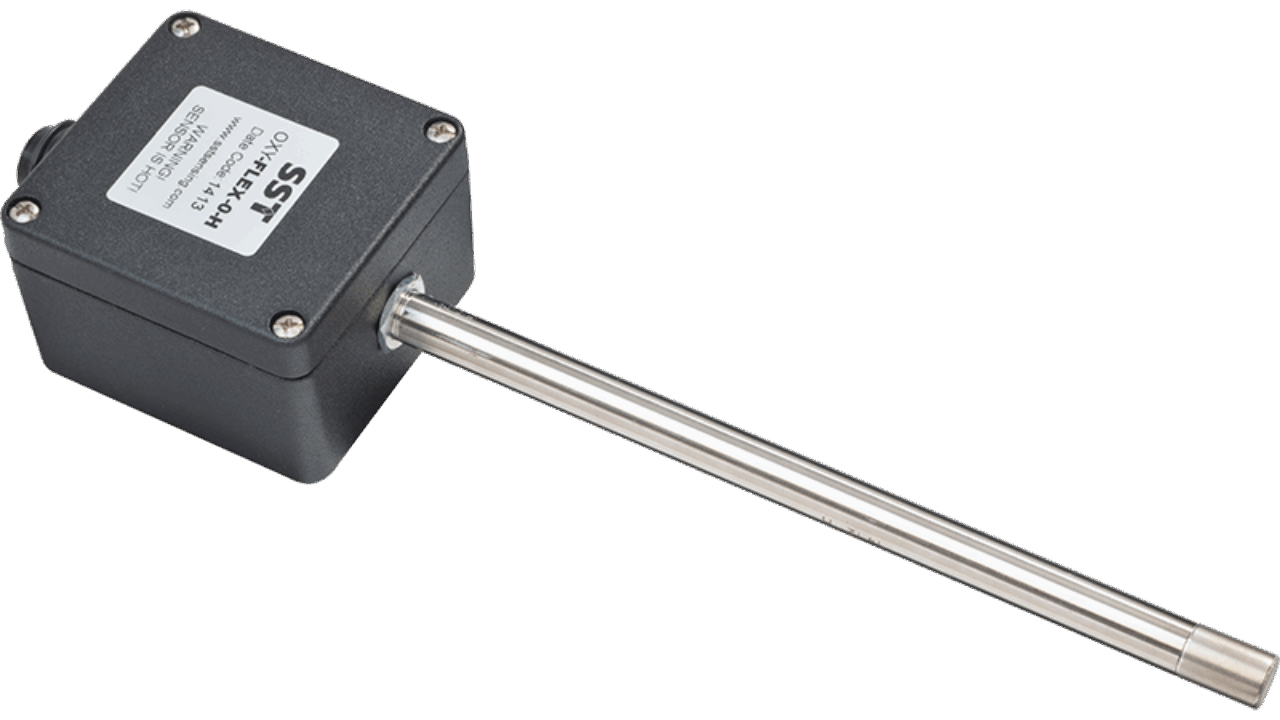
SST Sensing’s optical sensors are well-suited for industrial cooling. Solid-state design improves performance over mechanical or conductive types.
Key Benefits for Cooling Water Applications
- High reliability in continuous operation
Its design, without moving parts, provides long life and low maintenance.
- Resistance to fouling and contamination
SST sensors provide accuracy even in contaminated water environments.
- Fast switching response
Quick detection is crucial for pump protection and overflow prevention.
- Compact and flexible design
Compact design suits tight spaces and flexible options facilitate use in multiple OEM applications
- Chemical compatibility
These sensors tolerate glycol mixtures, biocides, and corrosion inhibitors used in cooling systems.
- Wide operating temperature range
Performs reliably in high or low temperatures.
- No recalibration needed, minimal cleaning, and a long service life reduce ownership costs.
Typical Cooling Water System Applications
SST liquid level sensors can be deployed across a wide range of cooling system use cases:
- Cooling tower basin level monitoring
- Chiller and reservoir level detection
- Closed-loop cooling systems
- Pump dry-run protection
- Chemical dosing tank monitoring
- Leak detection in drip trays and containment areas
These applications are commonly found in industries such as power generation, chemical processing, oil and gas, food production, and medical systems.
Supporting Cooling Tower Efficiency and Water Quality
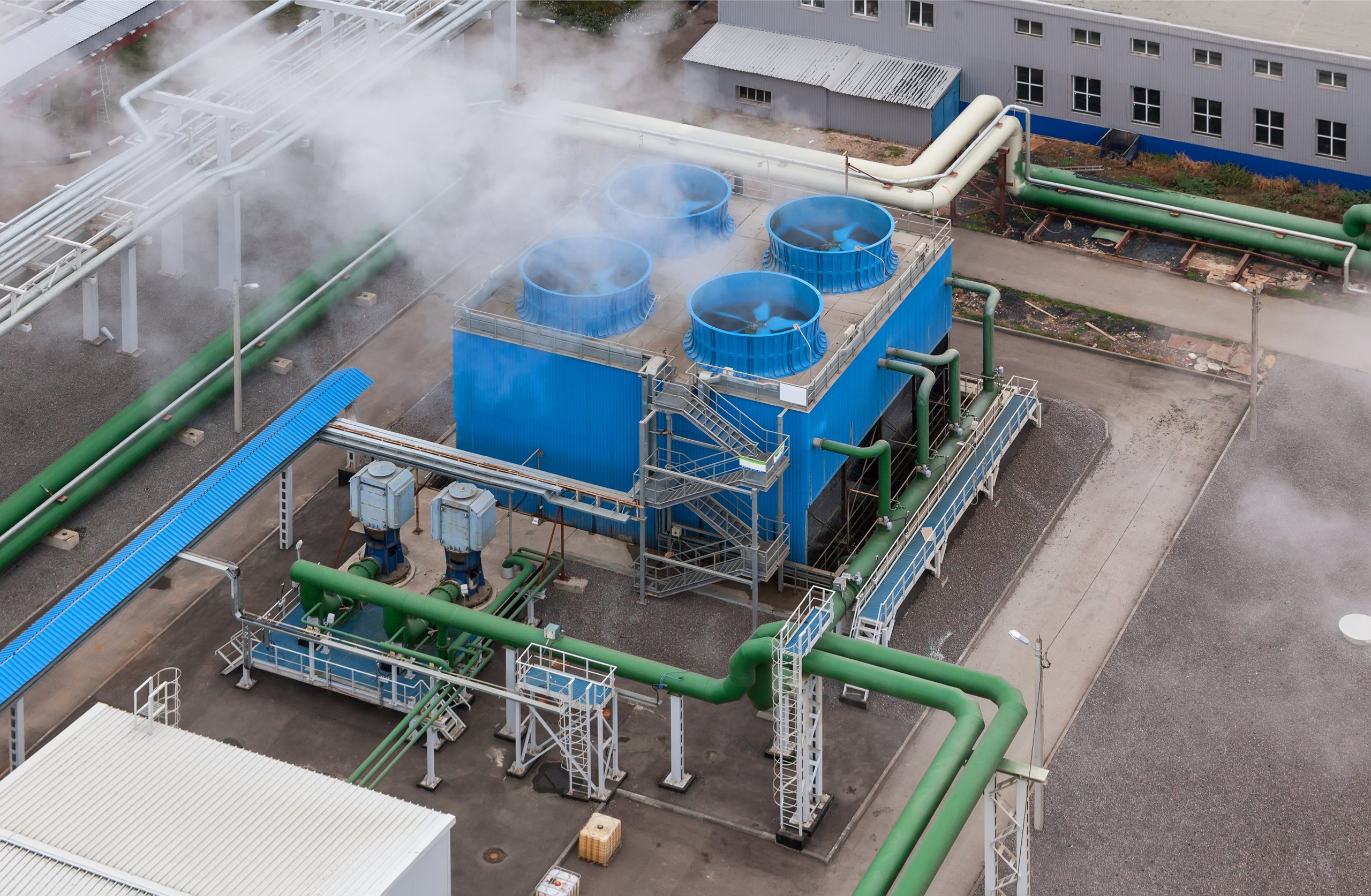
Cooling towers enable water reuse by heat exchange and evaporation. Evaporation concentrates dissolved solids, increasing the risk of scale, corrosion, and biofouling.
To manage this, systems often incorporate conductivity sensors to trigger blowdown cycles and maintain water quality. Alongside this, accurate liquid-level monitoring ensures water levels remain within safe operating limits, supporting both system efficiency and equipment protection.
Q: Why is liquid level control important in cooling towers?
A: It prevents issues such as overflow, dry running, and inefficient heat exchange, all of which can impact system performance and longevity.
Q: How do liquid level sensors improve maintenance strategies?
A: By providing reliable, real-time level detection, they reduce the need for manual inspection and help prevent costly failures.
Enhancing System Reliability with Optical Sensing Technology
SST’s optical sensors, non-mechanical and robust, outperform float switches or conductive probes. With no moving parts and high resistance to harsh environments, they excel in cooling water systems.
Additionally, their compatibility with industrial control systems (via PNP/NPN or digital outputs) makes integration straightforward for engineers designing or upgrading cooling equipment.
Conclusion
Efficient operation of cooling water systems rests on both accurate flow measurement and dependable liquid level detection. While flow meters verify coolant circulation, liquid level sensors ensure adequate supply. Both are vital to system safety and performance.
By integrating SST Sensing liquid level sensors into cooling water systems, engineers can achieve:
- Improved system reliability
- Reduced maintenance costs
- Enhanced protection of critical equipment
- Greater overall operational efficiency
For more information on our liquid level sensors or to discuss your application, please contact our highly trained engineers who will be happy to help.