Accurate oxygen measurement is essential in combustion control, emissions monitoring, medical devices, controlled-atmosphere storage and industrial gas analysis. Choosing the right oxygen sensing technology depends on the required range, response time, operating temperature and installation environment.
Oxygen sensor technologies operate according to different principles. Understanding their strengths and limitations helps engineers choose the right sensor for their application.
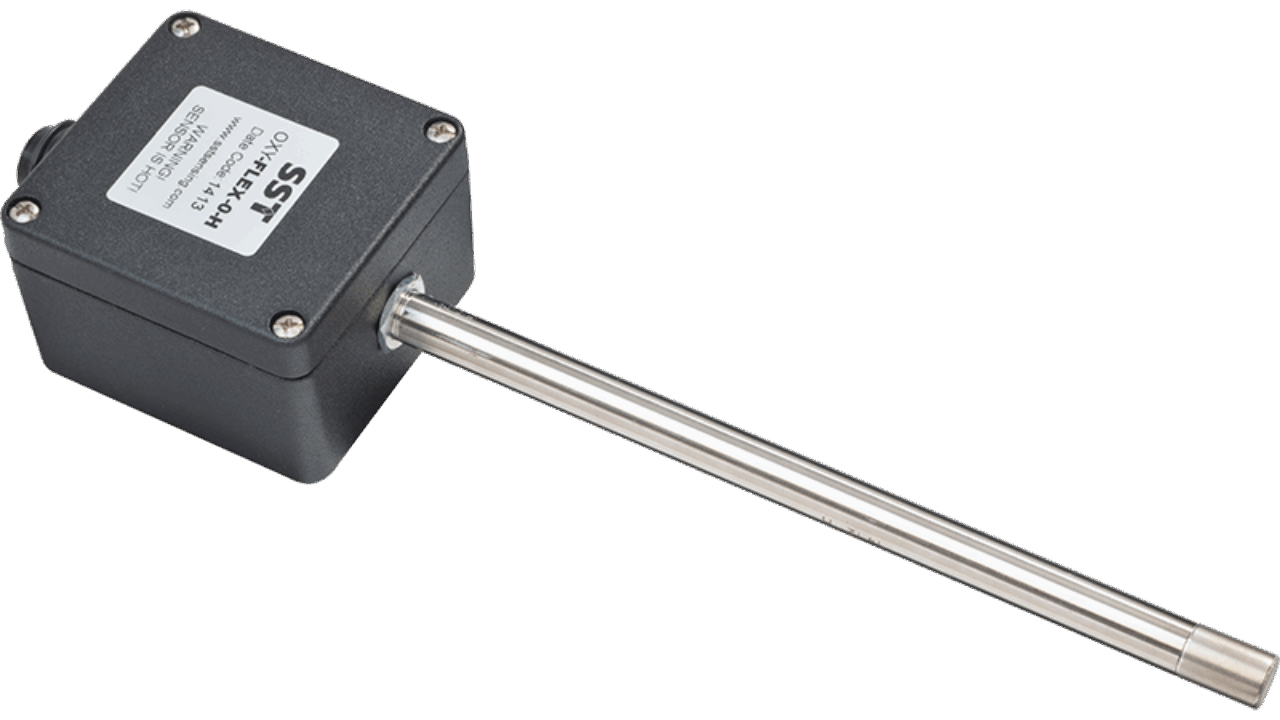
Zirconia and optical oxygen sensors use different methods to measure oxygen. Zirconia sensors use a heated ceramic sensing element and are suited to high-temperature, demanding industrial processes. Optical oxygen sensors use luminescence quenching and are better suited to compact, low-power equipment operating at ambient temperatures.
The best choice depends on the required measurement range, operating temperature, power available, response time and maintenance requirements.
For a broader view of how oxygen measurement requirements and sensing methods have developed, explore The Ongoing Evolution of Oxygen Sensor Technology.
Key Factors When Selecting an Oxygen Sensor
The right oxygen sensor depends on the operating environment and application requirements—not only the measurement range. Before selecting a sensor, engineers should consider:
- Operating temperature and pressure
- Oxygen concentration range
- Response time and measurement accuracy
- Maintenance and calibration requirements
- Environmental conditions, including vibration, contaminants, and corrosive gases
- Expected service life and long-term reliability
These factors help engineers choose between zirconia, optical, electrochemical and paramagnetic sensing technologies.
Comparing Common Oxygen Sensor Technologies
Several oxygen–sensing technologies are widely used across industry, each with distinct advantages and limitations for specific operating conditions.
| Technology | Typical applications | Key considerations |
|---|---|---|
| Zirconia | Combustion control, industrial process automation, flue gas analysis and oxygen analyzers | Excellent for high temperatures and demanding industrial environments |
| Optical | Medical devices, laboratory equipment, environmental monitoring and OEM instrumentation | Low power consumption with no consumable sensing elements |
| Electrochemical (galvanic/polarographic) | Portable gas detectors and safety monitoring | Limited operational life due to consumable electrolyte |
| Paramagnetic | Laboratory gas analysis and process analyzers | High accuracy but generally suited to clean, stable environments |
No one technology is universally better than another; the best choice depends on the application requirements and operating conditions.
What Is the Difference Between Zirconia and Optical Oxygen Sensing?
| Factor | Zirconia oxygen sensors | Optical oxygen sensors |
|---|---|---|
| Measuring principle | Electrochemical measurement using a zirconium dioxide ceramic element | Luminescence quenching |
| Typical temperature | High-temperature and heated processes | Ambient-temperature applications |
| Power requirement | Higher, because the sensing element requires heating | Low power, with no sensor heater |
| Typical applications | Combustion control, flue gas, emissions monitoring and industrial processes | Medical devices, portable equipment, laboratory instruments and OEM products |
| Maintenance | Low maintenance; calibration depends on the application | Factory calibrated, with minimal maintenance |
| Main advantage | Robust performance across demanding environments | Compact design and low power consumption |
| Main limitation | Requires more power and supporting electronics | Not normally intended for high-temperature process measurement |
Why Zirconia Oxygen Sensors Excel in High-Temperature Applications
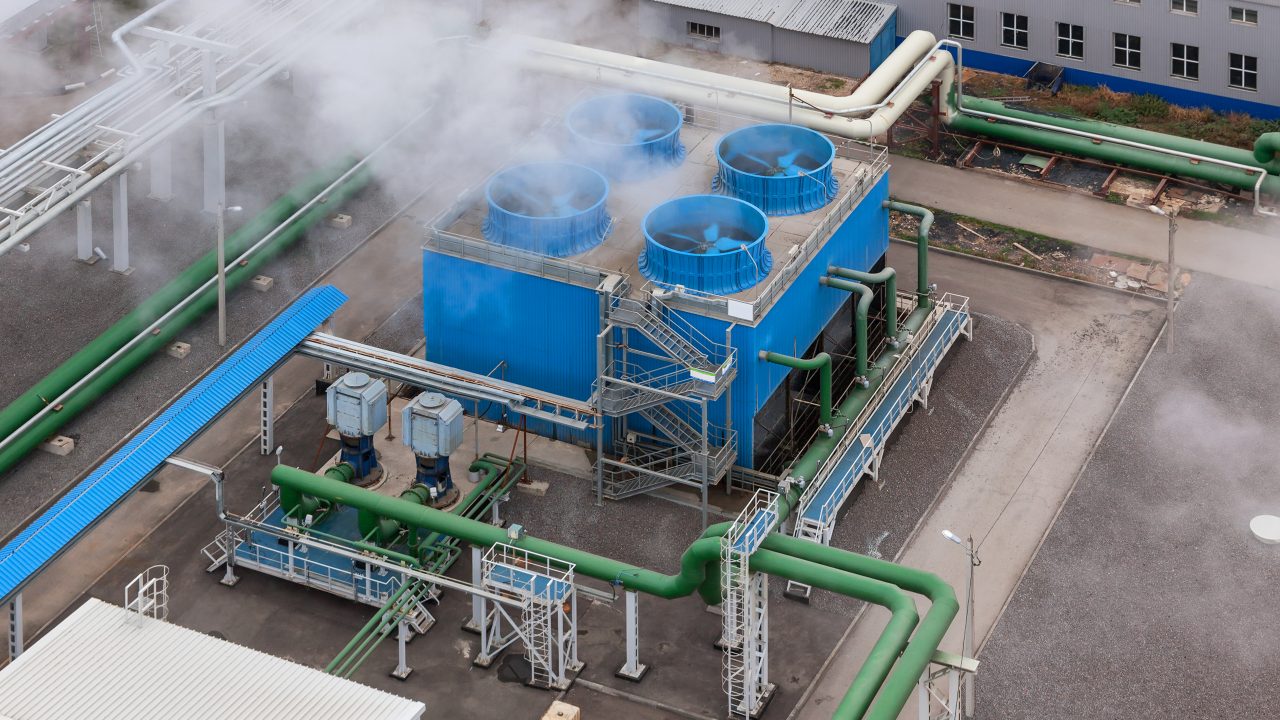
Zirconia oxygen sensors provide fast, accurate oxygen measurement across a wide concentration range and deliver reliable performance in demanding, high-temperature environments. Their durability, long operational life, and stable output make them well suited to applications such as combustion control, flue gas monitoring, industrial process automation, and emissions monitoring.
Traditional zirconia sensors use either the Nernst effect or oxygen-ion pumping to measure oxygen concentration, with each method offering different advantages and limitations. SST Sensing’s zirconia oxygen sensors combine both principles within a sealed sensing chamber, delivering stable, repeatable oxygen measurements without requiring a reference gas.
This dynamic measurement method also generates a continuous diagnostic “heartbeat”, allowing users to confirm that the sensor is operating correctly throughout its service life. This built-in feature provides added confidence in safety-critical and industrial process applications.
Advantages of SST Zirconia Oxygen Sensors
Compared with many conventional zirconia sensor designs, SST’s zirconia technology offers several practical advantages for OEMs and system designers:
- Oxygen measurement from 0.1% to 100% O₂
- No reference gas required
- Dynamic sensing with built-in sensor health monitoring
- High resistance to vibration, contamination, and harsh process environments
- Suitable for gas temperatures up to 400°C, with higher temperatures achievable through appropriate thermal management
- Long operational life with minimal maintenance
- Simple one-point span calibration, recommended annually in typical industrial use or as required by the application
These characteristics make zirconia sensors particularly well suited for combustion control, industrial process automation, process instrumentation, emissions monitoring, controlled-atmosphere storage, and industrial gas analysis.
When Optical Oxygen Sensors Are the Better Choice
Optical oxygen sensors suit applications where low power, compact size and long-term stability are priorities. They do not require sensor heating and typically need less supporting electronics than zirconia sensors.
These characteristics can reduce PCB size, power use and overall system complexity. Optical technology is therefore suitable for OEM equipment, portable instruments and battery-powered oxygen monitoring systems.
SST Sensing’s LuminOx Optical Oxygen Sensors use luminescence quenching technology to measure oxygen concentration without consuming oxygen during operation.
Factory calibration, integrated temperature and barometric pressure compensation and digital serial output simplify integration into OEM equipment.
Choose zirconia when: the application involves high temperatures, combustion gases, flue gas, emissions monitoring or demanding industrial conditions.
Choose optical sensing when: low power consumption, compact size, ambient-temperature operation and simple OEM integration are priorities.
Making the Final Oxygen Sensor Selection
The right oxygen sensor depends on the application. Zirconia sensors suit high-temperature processes such as combustion control and flue gas monitoring.
Optical sensors suit ambient-temperature applications where low power and minimal maintenance are important.
When selecting a zirconia oxygen sensor, engineers should consider the operating environment, oxygen measurement range, response time, power requirements and long-term reliability. Pairing the sensor technology to these requirements helps ensure accurate, consistent oxygen measurement throughout the life of the system.
Every application has different oxygen sensing requirements. If you’re unsure which sensor technology is right for your application, contact our engineering team. We’ll help you identify the most suitable solution based on your operating conditions, measurement requirements, and system design.
Frequently Asked Questions
What is the best oxygen sensor technology for industrial applications?
The best technology depends on the application. Zirconia oxygen sensors suit high-temperature processes such as combustion control, flue gas monitoring and industrial automation. They offer a wide measurement range, fast response and long operational life.
Optical oxygen sensors provide a low-power, maintenance-friendly option for ambient-temperature applications.
Zirconia and optical oxygen sensors use different measurement principles and have different power and integration requirements.
Zirconia sensors provide stable, accurate measurements and long service life in demanding industrial applications. Optical sensors offer low power consumption, compact dimensions and minimal thermal impact.
The right choice depends on the operating temperature, required measurement range, available power and equipment design.
Can optical oxygen sensors replace zirconia oxygen sensors?
Optical oxygen sensors can replace zirconia sensors in some ambient-temperature applications where low power and compact size are important. Zirconia sensors remain more suitable for high-temperature processes, combustion control, flue gas measurement and demanding industrial environments.
Which oxygen sensor technology is best for combustion control?
Zirconia oxygen sensors are well suited to combustion control. Their fast response and wide measurement range help engineers optimise the fuel-to-air ratio. This can improve efficiency, reduce fuel use and support emissions monitoring.