SST Sensing’s zirconia oxygen sensors provide reliable, long-term oxygen measurement in demanding industrial environments. Their robust solid-state construction and accuracy across a wide oxygen range make them suitable for combustion control, emissions monitoring, inert-atmosphere systems and other industrial applications.
SST offers several zirconia sensor and interface combinations. Understanding the differences between them can help engineers select the most appropriate solution for their application.
Selecting the right zirconia oxygen sensor depends on the required response time, gas temperature, mounting arrangement, insertion depth and available installation space. SST offers flange-mounted, miniature, probe and screw-fit sensors, supported by interface electronics for integration into industrial and OEM oxygen measurement systems.
Zirconia Oxygen Sensor Manufacturer for Industrial and OEM Applications
SST Sensing is a zirconia oxygen sensor manufacturer supplying solid-state oxygen sensing solutions for industrial, OEM and process-control applications. Our portfolio includes flange-mounted, miniature, probe and screw-fit zirconia oxygen sensors, together with interface boards and complete oxygen analyser systems.
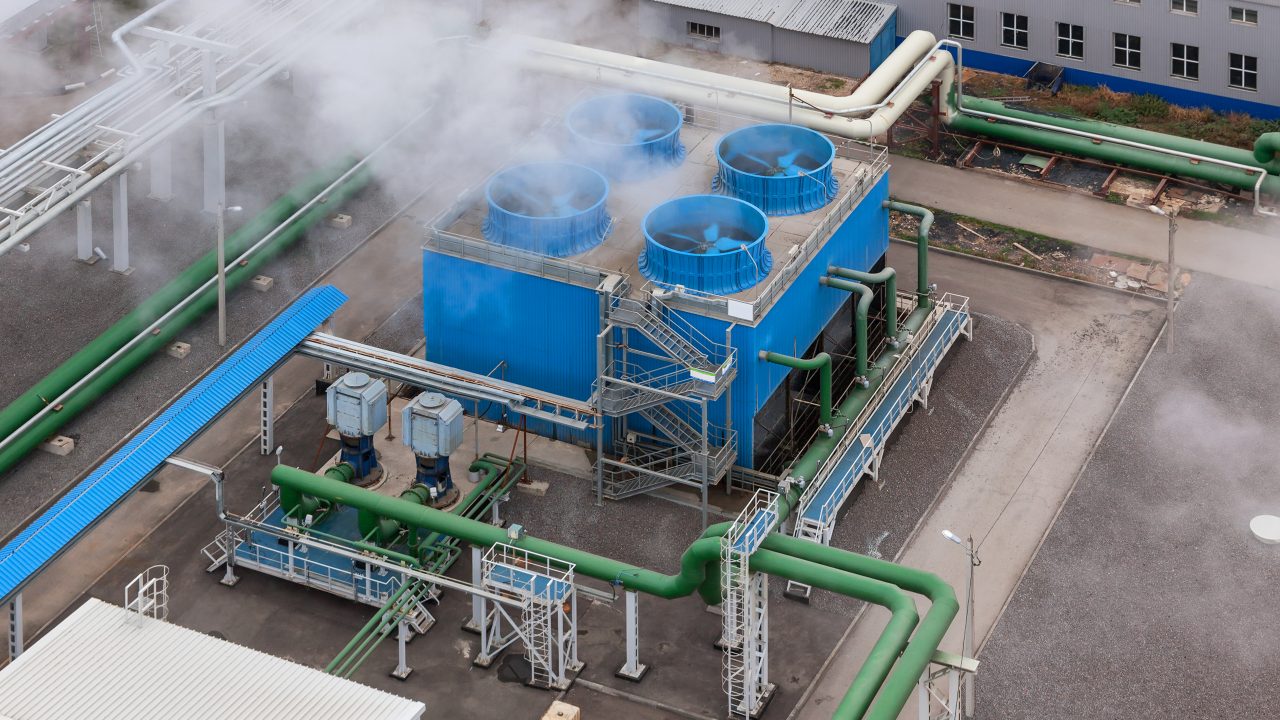
Manufactured for reliable oxygen measurement in demanding environments, SST zirconia sensors are used in combustion control, boiler optimisation, emissions monitoring, aerospace systems, inert-atmosphere control and other applications requiring accurate and stable oxygen measurement. Engineers can select a standard sensor or work with SST to develop a customised solution for specific mounting, temperature, response-time or integration requirements.
Understanding the Range
All SST zirconia oxygen sensors use the same SST zirconia oxygen sensing technology. However, they differ in housing design, cap structure, response time and temperature capability. These variations allow engineers to match the sensor to their environmental, mechanical and performance requirements.
The sensor cap affects how quickly the device responds to changes in oxygen concentration. A fully porous cap allows gas to diffuse from multiple directions, providing a fast response time of under four seconds.
A porous lid cap restricts gas entry to the top face, resulting in a standard response time of under 15 seconds. The most appropriate cap depends on the gas-flow conditions within the application.
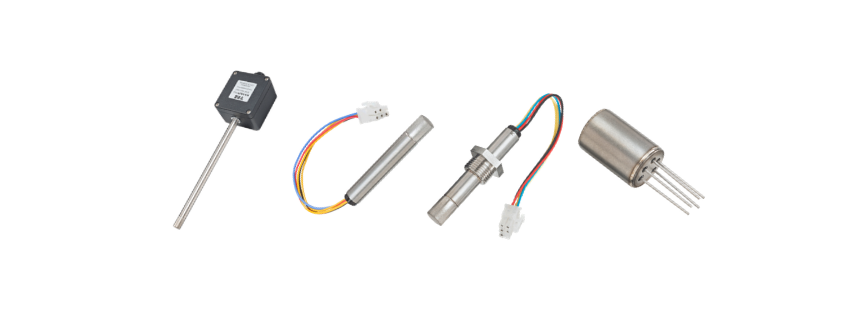
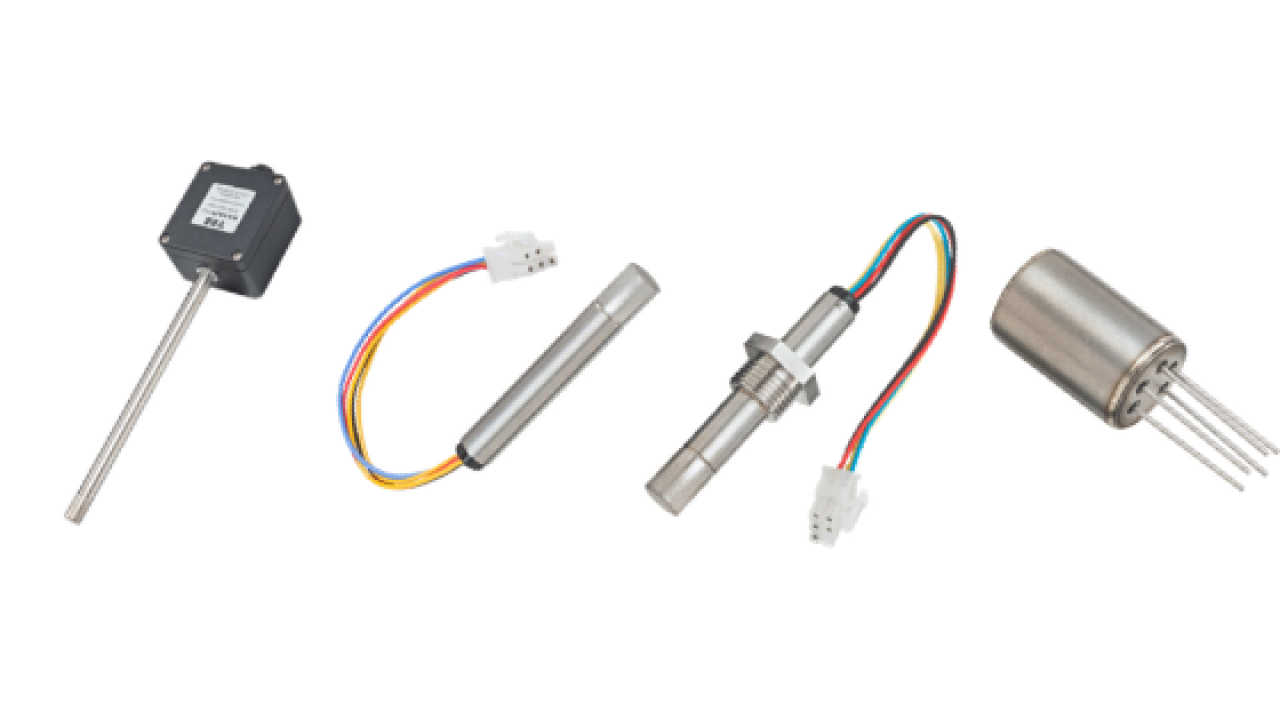
SST manufactures four principal formats: flange-mounted, miniature, probe and screw-fit. Each design supports different installation and environmental requirements.
System Integration and Interface Options
SST provides interface boards and analyser systems for operating and receiving measurements from its zirconia sensors. The OXY-LC and O2I-FLEX boards offer compact, configurable integration options. The OXY-FLEX Oxygen Analyser provides a fully integrated oxygen measurement system with onboard signal outputs.
When selecting an interface, define the required oxygen measurement range, output signal and available installation space. Typical measurement ranges are 0.1–25% O₂ and 0.1–100% O₂. Available outputs include analogue 4–20 mA and 0–10 VDC signals, alongside digital RS232 or RS485 Modbus communication.
Keep the cable between the sensor and interface as short as practical. This helps maintain a stable heater voltage and reduce electrical noise.
Environmental and Application Factors
Sensor selection should reflect the conditions within the application. Consider the gas composition, pressure, temperature and humidity. Corrosive gases and high moisture levels must also be assessed. These factors influence measurement stability and sensor life.
Mechanical installation is equally important. Where space is limited or sealing is critical, a miniature or screw-fit sensor may be more appropriate than a probe or flange-mounted design.
The location of the interface board should also be considered. Determine whether it requires environmental protection and how accessible it must remain for calibration and maintenance.
Engineering Support and Custom Options
While SST’s standard sensor portfolio suits various applications, custom solutions are available. Suppose your project requires a non-standard housing, special heater voltage, or an alternative integration format. In that case, our engineers are happy to help evaluate your requirements and recommend or develop a customised sensor.
Zirconia Sensor Types
The ZrO₂ sensor range includes four core types: Flange Mounted, Miniature, Probe, and Screw Fit. Below is a brief summary of each variant and its typical use.

Flange Mounted Oxygen Sensor
This sensor is designed for easy sealing into manifolds or sampling chambers. It offers a fast response time (<4 seconds) and supports gas temperatures from –100°C up to 400°C. Its robust construction and flange mounting make it ideal for aerospace systems and any application requiring temperature or pressure integrity.
| Response Time | < 4 seconds (fast) |
| Heater Voltage | 4.35 VDC |
| Gas Temperature Range | –100°C to +400°C |
| Mounting Style | Flange-mounted |
| Applications | Aerospace, high-pressure systems |

Miniature Oxygen Sensor
Engineered for compact designs, the miniature sensor is suitable for PCB integration. Depending on the cap used, it supports standard or fast response performance, with operating temperatures up to 250°C. It’s commonly used in ambient air monitoring or portable gas detection systems.
| Response Time | <15 sec (standard), <4 sec (fast) |
| Heater Voltage | 4V (standard), 4.35VDC (fast) |
| Gas Temperature Range | –100°C to +250°C |
| Mounting Style | PCB-mounted |
| Applications | Ambient gas measurement |

Probe Oxygen Sensor
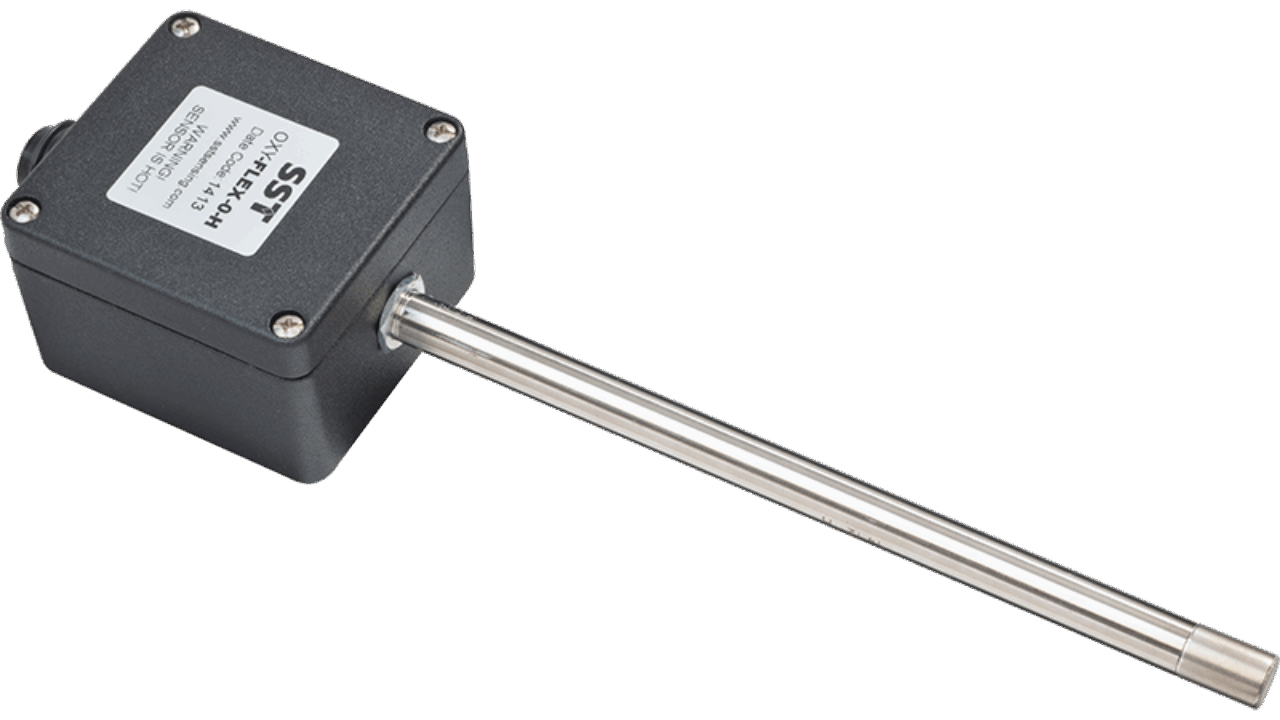
Probe sensors are available in three standard lengths—80 mm, 220 mm, and 400 mm—allowing measurement at different depths or through thicker flue walls. The design supports a wide gas temperature range (up to 400°C depending on the variant), and can be supplied with a standard or fast response cap. This format suits applications requiring deeper gas access, such as industrial combustion control.
| Response Time | <15 sec (standard), <4 sec (fast) |
| Heater Voltage | 4V (standard), 4.35VDC (fast) |
| Gas Temperature Range | –100°C to +250°C / D13: –100°C to +400°C |
| Mounting Style | 80mm, 220mm, or 400mm probe lengths |
| Applications | Flue monitoring (thick walls) |

Screw Fit Oxygen Sensor
This sensor features a threaded body for simple and secure installation into flue gas streams or combustion chambers. It offers a quick response time and supports high-temperature operation. Probe insertion depths are available in 28 mm, 45 mm, or 55 mm. It is widely used in boiler optimisation and closed-loop combustion systems across coal, gas, oil, and biomass applications.
| Response Time | <4 seconds (fast) |
| Heater Voltage | 4.35VDC (4.55VDC BM range) |
| Gas Temperature Range | –100°C to +250°C |
| Probe Insertion | 28mm, 45mm, or 55mm |
| Mounting Style | M18x1.5 thread, 75mm total |
| Applications | Boiler efficiency, atmosphere control |
All of our oxygen sensors require interface electronics to operate. You can find details for these products on the following links:
OXY-LC Interface Board and O2I-FLEX Interface Board
Frequently Asked Questions
What type of zirconia oxygen sensor should I choose?
What is the difference between a fully porous cap and a porous lid cap?
Which zirconia oxygen sensor is suitable for combustion monitoring?
Do SST zirconia oxygen sensors require interface electronics?
Need a Custom Solution?
SST’s standard zirconia sensor portfolio supports a wide range of applications. Customized solutions are also available for projects requiring a non-standard housing, special heater voltage or alternative integration format.
Our engineers can evaluate your operating and integration requirements before recommending or developing an appropriate sensor solution.
Explore the full zirconia product range or get in touch with our technical team for tailored advice: Oxygen Zirconia Sensors
To discuss your application or for more information please contact one of our highly trained engineers today.