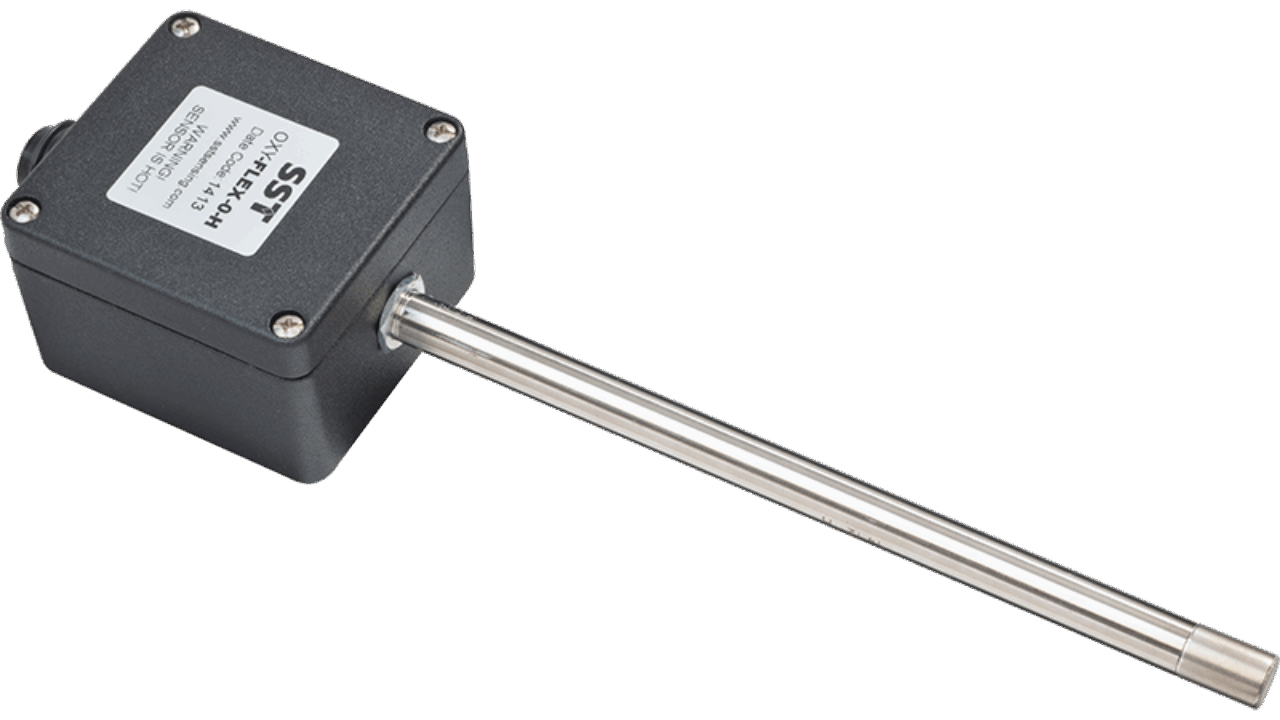

Solid-state sensing technology engineered for reliability, speed, and compact integration in demanding automotive applications.
In high-performance automotive engineering, precision and reliability are everything. From the gearbox oil tank to the coolant system, maintaining accurate liquid levels ensures optimal performance and prevents catastrophic mechanical failure.
SST Sensing’s Liquid Level Sensors reliably detect the presence or absence of fluid, delivering robust, maintenance-free performance even in the most extreme environments. Built on solid-state optical technology, they are compact, fast-responding, and capable of withstanding the vibration, temperature, and space constraints of supercars, race cars, and performance vehicles.
Industry Challenges
Modern automotive engineers face several challenges when integrating fluid management systems within compact, high-power vehicles:
· Tight installation space: Limited room within engine bays and gearboxes restricts sensor size and placement.
· High vibration and thermal stress: Mechanical float sensors or reed switches can fail under extreme conditions.
· Contamination and wear: Moving parts can become stuck, clogged, or degraded over time when exposed to oil, fuel, or coolant.
· Electrical integration: Many vehicle systems now rely on digital or PLC-based control, requiring fast and reliable electronic outputs.
· Aesthetic and durability considerations: High-end manufacturers prefer stainless steel finishes that complement the precision-engineered interiors and exteriors of their vehicles.
In short, automotive applications demand compact, non-mechanical sensors that deliver long-term reliability, fast response, and resistance to harsh environments, all areas where SST’s optical sensing technology excels.
Solution Overview
How SST’s Optical Liquid Level Sensors Work
SST’s sensors use infrared optical technology to detect the presence or absence of liquid. Each device contains an LED light source and a phototransistor positioned within a precision-engineered optical tip.
· When the sensor is in the air, the light emitted from the LED reflects internally within the tip, signalling a “dry” state.
· When the sensor tip becomes immersed in liquid, the light refracts out of the optical cone, and the phototransistor detects a reduction in reflected light, signalling that liquid is present.
This design ensures instantaneous and repeatable detection, eliminating the need for moving parts or calibration drift.
Because the sensors are solid-state, they are not subject to mechanical wear, making them ideal for high-vibration environments such as automotive gearboxes, oil tanks, and coolant reservoirs.
Advanced Features for Automotive Integration
· Time Delay Function: Automotive systems often experience sloshing or turbulence that can cause false level readings. SST’s industrial and stainless steel models can include a programmable time delay of up to 10 seconds, filtering out transient changes for consistent, stable output.
· Temperature Performance: SST’s LLHP Series handles temperatures up to 125°C, while the LLHT Series operates to 145°C, making them ideal for use in gearboxes and engine oil monitoring.
· Fast Response: The optical principle enables liquid detection within milliseconds, providing immediate feedback to ECUs or controllers to prevent dry running or system damage.
Applications & Industries
Engineers use SST’s sensors widely in supercars and motorsport, and they also apply them across an extensive range of industries beyond automotive engineering.
Automotive Applications
- Gearbox and transmission systems – Detects oil presence, preventing dry running and mechanical wear.
- Fuel and coolant tanks – Ensures correct fluid levels and early leak detection.
- Hydraulic systems – Monitors fluid presence for active suspension or braking systems.
- Emission control (AdBlue/SCR systems) – Monitors fluid levels in selective catalytic reduction tanks.
- Electric and hydrogen vehicles – Used to monitor coolant and electrolyte levels in fuel cells.
- Emission control (AdBlue/SCR systems).
SST’s sensors reliably detect the presence or absence of liquid, delivering precise, maintenance-free performance even in demanding environments.
Conclusion
SST Sensing’s Liquid Level Sensors combine advanced optical engineering with rugged industrial design, making them ideal for high-performance automotive and industrial applications. Their solid-state construction ensures long-term reliability, super fast response, and resistance to vibration, temperature, and chemical exposure.
For engineers designing fluid monitoring systems where space, accuracy, and reliability are crucial, SST’s sensors offer a proven solution, delivering performance, precision, and peace of mind.
To discuss your application or for further information, please contact our technical team at sensors@dwyeromega.com.